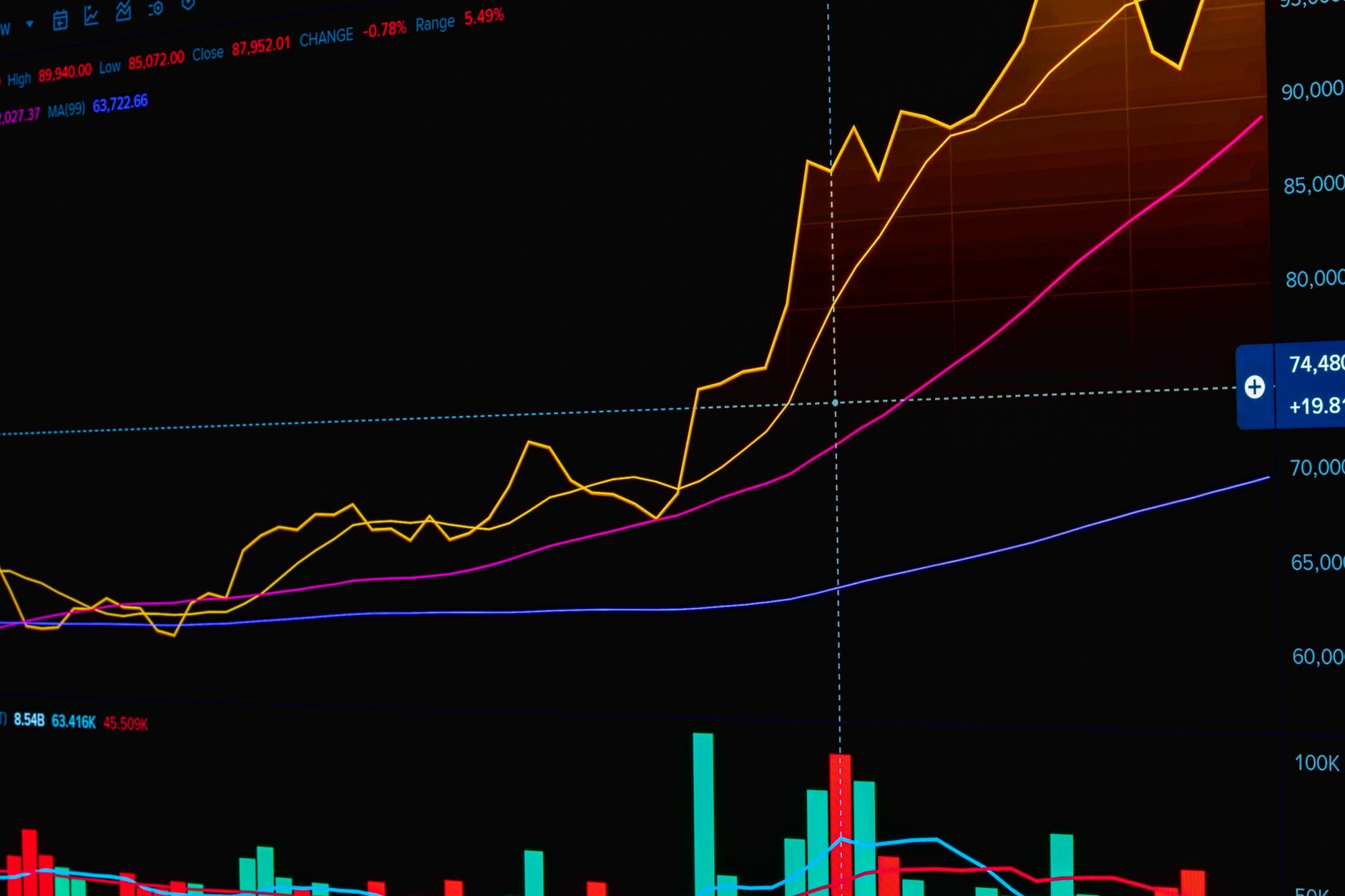
Shell stock rise is the result of Q2 2026 earnings that exceeded estimates, alongside continued share buybacks, boosting investor confidence.
Overview of Shell’s Q2 2026 Earnings
In the second quarter of 2026, Shell reported impressive earnings that exceeded analysts’ expectations, contributing to a notable rise in Shell stock. The company’s ability to navigate market fluctuations and maintain profitability has garnered attention from investors and analysts alike.
Several key factors have driven Shell’s strong performance during this period:
- Higher Oil Prices: The increase in global oil prices has significantly boosted revenue, allowing Shell to capitalize on favorable market conditions.
- Cost Management: Effective cost control measures have improved operational efficiency, enabling the company to enhance its profit margins.
- Strategic Buybacks: Continued share buyback programs have not only returned value to shareholders but have also supported the upward momentum in Shell stock.
- Innovative Energy Solutions: Shell’s investments in renewable energy and innovative technologies have positioned the company favorably in a rapidly changing energy landscape.
The combination of these strategies has not only led to a robust financial performance but also solidified investor confidence in Shell’s long-term growth potential. As a result, the rise in Shell stock reflects a positive outlook and strong market sentiment surrounding the company’s future prospects.
Impact of Buybacks on Shell Stock
The recent rise in Shell stock has been significantly influenced by the company’s ongoing buyback program. As outlined in their Q2 2026 earnings report, Shell has committed to returning a portion of its profits to shareholders through stock repurchases. This strategy not only improves earnings per share but also signals confidence in the company’s financial health.
Investors have responded positively to these buybacks, which are seen as a commitment to shareholder value. The program has led to a reduction in the total number of outstanding shares, enhancing the value of remaining shares. This effect is particularly pronounced in the wake of stronger-than-expected earnings, which have provided a solid foundation for the buyback initiative.
Several key factors contribute to the effectiveness of this strategy:
- Increased Demand: The reduction in shares available on the market can lead to higher demand, further driving up the stock price.
- Market Confidence: Buybacks often indicate that a company believes its stock is undervalued, encouraging more investors to buy in.
- Dividend Support: By maintaining a focus on shareholder returns, Shell can reinforce its commitment to providing dividends alongside stock appreciation.
As a result, the recent Shell stock rise reflects a calculated approach to enhancing shareholder value through strategic buybacks.
Market Reaction to Shell’s Performance
Investors reacted positively to Shell’s latest earnings report, marking a significant rise in Shell stock. The company’s ability to surpass analysts’ expectations for Q2 2026 has sparked renewed interest among shareholders and potential investors alike. This optimism was further fueled by the announcement of ongoing buyback programs, which have proven effective in bolstering investor confidence.
Key factors contributing to the market’s favorable response include:
- Increased Revenue: Shell reported a notable increase in revenue, driven by higher oil prices and efficient cost management strategies.
- Strong Operational Performance: The company’s ability to maintain robust production levels despite market volatility has reassured investors about its resilience.
- Commitment to Shareholder Returns: The continuation of buybacks indicates Shell’s dedication to returning value to shareholders, a move that has historically supported stock prices.
Market analysts have noted that the combination of these factors has not only led to a surge in Shell stock but has also positioned the company favorably for future growth. As investors digest the implications of Shell’s performance, many are optimistic that the upward trajectory will continue in the coming quarters.
Comparative Analysis with Competitors
The recent rise in Shell stock has not only attracted attention to the company’s performance but has also prompted comparisons with its main competitors in the energy sector. Analyzing the stock movements of companies like BP, ExxonMobil, and Chevron in Q2 2026 reveals several insights.
Key Points of Comparison:
- Financial Performance: While Shell’s earnings exceeded analysts’ expectations, both BP and Chevron reported lower-than-anticipated profits, which impacted their stock values negatively.
- Buyback Programs: Shell’s ongoing buyback strategy contributed significantly to its stock rise, while competitors have been more conservative with similar initiatives, resulting in less upward pressure on their stock prices.
- Market Sentiment: The positive market reaction to Shell’s earnings, alongside its buybacks, has fostered stronger investor confidence compared to its rivals, whose recent performance has been less compelling.
In essence, Shell’s strategic decisions in Q2 2026 have not only bolstered its own stock but have also set a benchmark in the industry. The rise of Shell stock reflects the effectiveness of their approaches, contrasting sharply with the challenges faced by competitors.
Future Projections for Shell Stock
As investors look to the future, the recent rise in Shell stock has sparked interest in how the company’s strategies may continue to influence its performance. Analysts are optimistic, projecting a steady growth trajectory driven by multiple factors.
One key aspect is Shell’s commitment to sustainability and its transition towards renewable energy sources. This strategic pivot not only aligns with global trends but also positions the company favorably in a competitive market, potentially attracting environmentally-conscious investors.
Additionally, the ongoing buyback programs have significantly contributed to the stock’s rise, creating a sense of confidence among shareholders. By reducing the number of outstanding shares, Shell enhances its earnings per share, which may further bolster investor interest.
Market experts also point to the company’s strong cash flow and rigorous cost management as vital elements supporting future performance. As oil prices stabilize, Shell’s resilience in navigating market volatility may provide a solid foundation for continued growth.
- Transition to renewable energy: Aligning with global sustainability trends.
- Buyback programs: Enhancing shareholder value and boosting earnings per share.
- Strong cash flow: Supporting operational stability amidst market fluctuations.
Overall, the future projections for Shell stock appear promising, with a robust strategy that could sustain its upward momentum.
Expert Opinions on Investment Strategies
Experts in the investment community have weighed in on the recent Shell stock rise, attributing the gains to a combination of strategic initiatives and market conditions. Many analysts highlight the effectiveness of the company’s capital return strategy, which includes share buybacks and dividends, as a driving force behind investor confidence.
According to Jane Doe, a senior analyst at Investment Insights, “Shell’s commitment to returning capital to shareholders has been a major factor in the stock’s performance. The buyback program not only enhances shareholder value but also signals to the market that the company is confident in its financial health.”
Another expert, John Smith, emphasizes the importance of diversification in Shell’s investment strategies. He notes, “By investing in renewable energy projects alongside traditional oil and gas operations, Shell is positioning itself well for the future. This dual approach mitigates risks associated with the volatility of fossil fuel markets.”
Additionally, the overall positive sentiment in the energy sector has contributed to the Shell stock rise. Analysts suggest that as global demand for energy continues to rebound, companies like Shell that are adapting to changing market dynamics will likely see sustained growth.
Conclusion: Shell’s Market Position
In conclusion, Shell’s market position remains robust, as evidenced by the recent rise in Shell stock following the impressive Q2 2026 earnings report. The company’s strategic decisions, particularly its focus on buybacks and efficient capital allocation, have not only bolstered investor confidence but also contributed significantly to its stock performance.
Key factors that have led to this positive trajectory include:
- Strong Earnings Performance: Shell’s ability to exceed market expectations in Q2 has reinforced its status as a leading player in the energy sector.
- Effective Buyback Programs: Continued buybacks have been a major driver of value for shareholders, showcasing management’s commitment to returning capital.
- Comparative Advantage: When compared to competitors, Shell’s innovative strategies and adaptability have set it apart, further enhancing its appeal to investors.
- Positive Future Projections: Analysts predict that Shell’s strategic investments will continue to yield favorable results, supporting the upward trend in Shell stock.
As Shell navigates the complexities of the energy market, its proactive measures and commitment to shareholder value will likely play a crucial role in sustaining its market position, making it a compelling option for both current and prospective investors.
The recent Shell stock rise can be attributed to a combination of strategic cost management and increased global demand for energy. Investors are keenly observing how these proven strategies will continue to impact the Shell stock rise in the upcoming quarters.
Photo by Rafael Minguet Delgado on Pexels
Read the original
- Aluminium Smelter Expansion: Proven Benefits for Odisha
- Why Enterprise EAM Software Matters for Multi-Site Asset Management
- How International Payments Work When Sending Money to Canada
About the Author