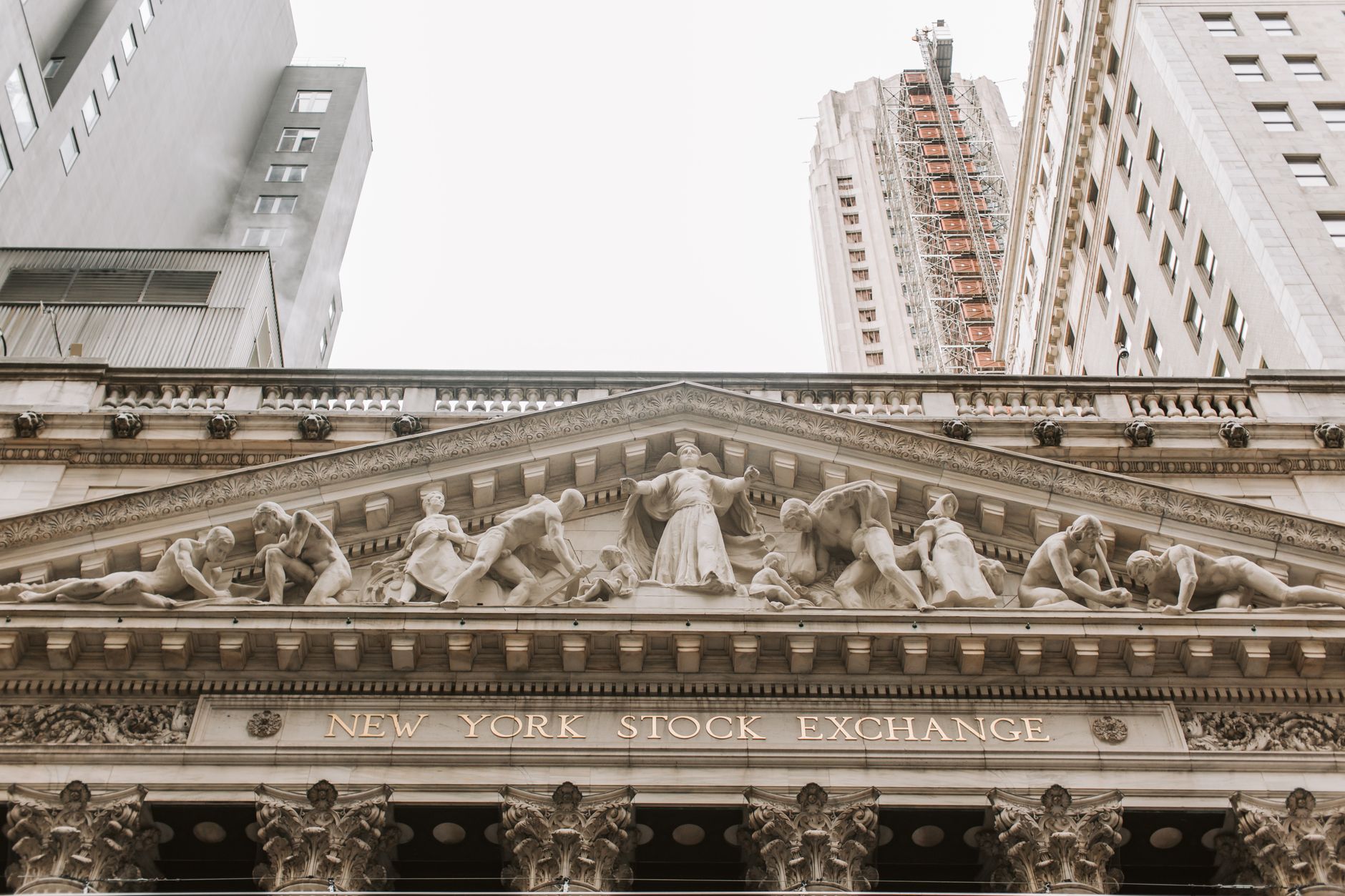
Wall Street ends lower, reflecting a significant market shift as Treasury yields climb. This downturn raises concerns among investors about future economic stability.
Market Overview: Wall Street’s Recent Performance
In a turbulent trading session, Wall Street ends lower as investors react to rising Treasury yields, which have contributed to increased market volatility. The downturn comes on the heels of record highs achieved earlier this month, highlighting the fragility of the current market landscape. Analysts are closely monitoring the implications of these yield increases, particularly as they signal potential shifts in monetary policy.
The decline was broad-based, affecting major indices across the board. Key factors influencing the market include:
- Interest Rates: The climbing yields on Treasury bonds have raised concerns over future borrowing costs and economic growth.
- Inflation Talks: Ongoing discussions regarding inflation and its impact on consumer spending continue to weigh on investor sentiment.
- Corporate Earnings: Investors are also digesting a mixed bag of corporate earnings reports, with some companies exceeding expectations while others fell short.
As a result, many investors are adopting a cautious approach, reassessing their portfolios in light of the shifting economic indicators. The market’s recent performance serves as a reminder of the inherent risks involved, even amid periods of growth. As Wall Street ends lower, market participants remain vigilant, seeking to navigate the complexities of an evolving financial landscape.
Impact of Rising Treasury Yields
The recent surge in Treasury yields has had a significant impact on investor sentiment, contributing to the overall decline in market performance. As Wall Street ends lower, many analysts attribute this downward trend to rising yields, which can lead to higher borrowing costs and influence corporate profits.
The climb in yields, particularly on the 10-year note, has raised concerns among investors about inflation and the Federal Reserve’s potential response. The following factors are crucial in understanding the implications:
- Borrowing Costs: As yields rise, the cost of borrowing for both consumers and businesses increases. This can dampen spending and investment, slowing economic growth.
- Investment Shift: Higher Treasury yields make fixed-income investments more attractive compared to stocks. This can lead to a shift in capital away from equities, contributing to the decline in stock prices.
- Valuation Pressure: Rising yields can pressure stock valuations, particularly for growth-oriented companies that rely on future earnings. Investors may reassess their risk appetite in light of potential interest rate hikes.
- Market Sentiment: The combination of these factors has led to increased volatility in the markets, as investors react to changing economic indicators.
As Wall Street ends lower, the implications of rising Treasury yields will continue to be a focal point for market participants in the coming weeks.
Investor Reactions to Market Changes
Investor reactions to the recent downturn on Wall Street have been mixed, reflecting a sense of uncertainty in the face of rising Treasury yields. Many market participants expressed concern over the implications of higher borrowing costs on both corporate profits and consumer spending.
As Wall Street ends lower, analysts note that this shift has prompted some investors to reconsider their strategies. Among the notable reactions:
- Increased Caution: Many investors are adopting a more cautious approach, favoring defensive stocks and sectors that tend to perform well during economic uncertainty.
- Flight to Safety: Some market players are moving their assets into safer investments, such as gold and government bonds, as they seek stability amidst market volatility.
- Diversification: Investors are exploring diversified portfolios, incorporating a mix of assets to mitigate risks associated with equity markets.
- Long-term Perspective: While the immediate sentiment is negative, some investors remain optimistic about long-term growth, viewing the current market dip as a potential buying opportunity.
The overall sentiment reflects a balancing act, as investors weigh the potential for future gains against the backdrop of rising interest rates. With Wall Street ends lower, many are left contemplating the next steps in an unpredictable market landscape.
Economic Indicators to Watch
As Wall Street ends lower, investors are advised to keep a close eye on several economic indicators that could influence the market’s trajectory in the coming weeks. Understanding these indicators is crucial for anticipating potential shifts in investor sentiment and market performance.
Among the key indicators to monitor are:
- Inflation Rates: Persistent inflation can lead to higher interest rates, which may further impact Treasury yields and, consequently, stock prices.
- Unemployment Figures: A decrease in unemployment typically signals economic strength; however, unexpected spikes can raise concerns about economic stability.
- Consumer Confidence Index: This index reflects how optimistic consumers feel about the economy. A drop in confidence can lead to decreased spending, negatively affecting business revenues and stock prices.
- Manufacturing Data: Reports on manufacturing activity provide insight into the health of the economy. Weak manufacturing data could indicate a slowdown, influencing investor decisions.
- Retail Sales Reports: Consumer spending is a significant driver of economic growth. If retail sales decline, it may suggest that consumers are tightening their belts, which can put further pressure on Wall Street.
As these indicators unfold, they will play a pivotal role in determining the market’s direction, especially after recent trends that saw Wall Street end lower amid rising Treasury yields.
Future Predictions for Wall Street
As analysts sift through the recent downturn, the future predictions for Wall Street remain a topic of intense scrutiny. With Wall Street ending lower, many experts are contemplating the potential trajectory of the market amidst fluctuating economic indicators.
One major factor to consider is the behavior of Treasury yields. If yields continue to rise, it could signal further volatility, prompting investors to reassess their portfolios. Analysts predict that an increase in yields may lead to a reevaluation of growth stocks, which have been particularly sensitive to interest rate changes.
Market analysts are also closely monitoring the following indicators:
- Inflation Rates: Persistent inflation could impact consumer spending and corporate profits, influencing market sentiment.
- Federal Reserve Policies: Future interest rate hikes or changes in monetary policy will play a significant role in shaping investor expectations.
- Global Economic Conditions: International trade dynamics and geopolitical tensions can also affect market stability.
Moreover, investor sentiment appears to be at a crossroads. With Wall Street ending lower, some investors may adopt a more cautious approach, while others may see this as a buying opportunity. Ultimately, the ability of Wall Street to rebound will largely depend on how these factors unfold in the coming weeks and months.
As investors reacted to disappointing earnings reports, it became clear that Wall Street ends lower due to growing concerns about economic stability. Analysts suggest that this downward trend indicates a shift in market sentiment, prompting many to reassess their investment strategies as Wall Street ends lower.
Photo by Vlada Karpovich on Pexels
Sources
Related stories
Avan Lee CEO appointment: A Smart Move for Munster · Rate Hike Pause: RBI Governor’s Clear Stance on Cuts · Kalshi Gold Markets: The Best Proven Alternative to Ether
About the Author