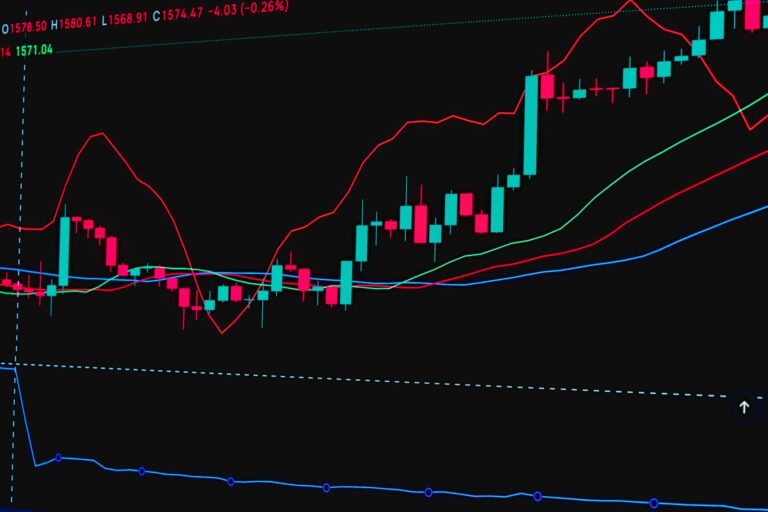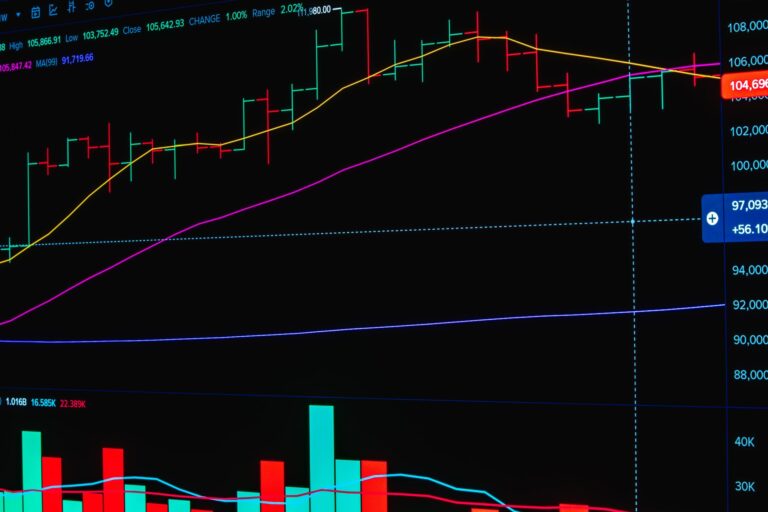
US Fed rate hike impact has raised concerns among investors regarding the Indian stock market’s stability. This article explores the potential repercussions on major indices like Sensex and Nifty.
Understanding the US Fed’s Rate Hike
The recent decision by the US Federal Reserve to raise interest rates has sent ripples across global financial markets, with the Indian stock market being significantly affected. Investors are keenly observing how this US Fed rate hike impact will shape the economic landscape in India.
One of the primary concerns among Indian investors is the potential for increased borrowing costs. As interest rates rise in the US, capital may flow out of emerging markets like India, leading to a depreciation of the Indian rupee. This shift could result in higher inflation, putting pressure on the Reserve Bank of India to adjust its monetary policy.
Furthermore, the sectors most vulnerable to these changes include:
- Banking: An increase in rates could impact loan growth.
- Real Estate: Higher borrowing costs may deter homebuyers.
- Exports: A weaker rupee could affect export competitiveness.
In summary, understanding the US Fed rate hike impact is crucial for investors navigating the uncertain waters of the Indian stock market. Continuous monitoring of global economic indicators will be essential in making informed investment decisions.
Current Trends in the Indian Stock Market
The Indian stock market is witnessing significant fluctuations in response to the recent US Fed rate hike. Investors are closely monitoring these changes as they assess the potential impact on their portfolios. The effect of the US Fed rate hike impact has been seen across various sectors, with some stocks experiencing sharper declines than others.
Currently, the market sentiment is mixed, with several key trends emerging:
- Banking Sector Volatility: Banks are bracing for increased borrowing costs, which could affect their profitability. This has led to a cautious approach among investors.
- Foreign Investment Outflows: There has been a noticeable outflow of foreign institutional investment as global investors reassess their positions in light of rising interest rates.
- Defensive Stocks Gaining Popularity: As markets react to uncertainty, defensive stocks in sectors like healthcare and consumer goods are attracting more attention from investors.
- Increased Market Correlation: The Indian markets are becoming more correlated with global indices, leading to heightened volatility as external conditions fluctuate.
As these trends continue to evolve, investors are urged to stay informed about the ongoing developments related to the US Fed rate hike impact.
Impact on Sensex and Nifty
The recent US Fed rate hike has led to noticeable repercussions on Indian stock indices, particularly the Sensex and Nifty. Investors are keenly observing how shifts in international monetary policy can influence local market dynamics.
As the US Fed raised interest rates, the immediate response from the Indian market was marked by volatility. Key factors contributing to this impact include:
- Foreign Investment Trends: With higher interest rates in the US, foreign investors may redirect their funds away from emerging markets like India, leading to reduced capital inflow.
- Currency Fluctuations: The strengthening of the US dollar against the Indian rupee can also discourage investments, further affecting market sentiment.
- Sectoral Performance: The impact on various sectors is uneven; for instance, financial and export-oriented companies may face challenges, while others might adapt better to changing economic conditions.
The Sensex and Nifty have exhibited a downward trend following the rate hike, reflecting investor apprehension. Analysts suggest that the US Fed rate hike impact will likely continue to resonate through the Indian stock market in the coming weeks, necessitating close monitoring of both domestic and global indicators.
Investor Sentiment Analysis
Investor sentiment in the Indian stock market has been significantly influenced by the recent US Fed rate hike. As global markets react to changes in monetary policy, Indian investors are increasingly cautious, leading to noticeable fluctuations in stock prices.
Many analysts believe that the US Fed rate hike impact has created a ripple effect, prompting investors to reassess their portfolios. This sentiment is reflected in the following key observations:
- Increased Volatility: The stock market has experienced heightened volatility, with many stocks witnessing sharp price movements.
- Flight to Quality: Investors are gravitating towards safer assets, leading to increased demand for blue-chip stocks.
- Foreign Investment Trends: There is a noticeable decline in foreign institutional investment (FII), as global investors reassess their risk exposure in light of US interest rate changes.
- Sectoral Shifts: Certain sectors, such as technology and real estate, have been particularly sensitive to the rate hike, leading to a shift in investment strategies.
As the market navigates these challenges, understanding the underlying investor sentiment becomes crucial for stakeholders in the Indian stock market.
Comparative Study with Global Markets
The recent US Fed rate hike has prompted a comparative study of its impact on global markets, particularly focusing on emerging economies like India. Several key observations can be made regarding how Indian stocks have reacted in relation to other international indices.
Firstly, Indian markets have shown a degree of resilience compared to their global counterparts. For instance, while the S&P 500 faced significant volatility, Indian indices like the Sensex and Nifty experienced a more measured response. This suggests that local investor sentiment may be somewhat insulated from external pressures.
Moreover, when analyzing sectors, it is evident that technology and consumer goods have remained robust in India, unlike in other markets where these sectors have suffered more drastically. This divergence highlights the unique dynamics at play within the Indian economy.
Additionally, foreign institutional investors have adjusted their portfolios in anticipation of the US Fed rate hike impact. This adjustment has resulted in selective buying in Indian equities, providing a buffer against potential downturns.
Overall, while the US Fed rate hike has implications worldwide, the Indian stock market appears to be navigating these challenges with relative strength.
Future Predictions for Indian Stocks
As the repercussions of the US Fed rate hike continue to unfold, future predictions for Indian stocks are becoming increasingly critical for investors. Analysts anticipate a mixed outlook, with various sectors responding differently to the changes in monetary policy.
One significant factor influencing these predictions is the expected shift in foreign investment flows. With higher interest rates in the US, there may be a diversion of funds from emerging markets back to the US, potentially leading to volatility in Indian stocks.
Analysts have highlighted the following potential trends:
- Sectoral Performance: Sectors such as IT and pharmaceuticals may face pressure due to increased costs and reduced global demand.
- Banking Sector Resilience: On the other hand, banks may benefit from higher interest rates, improving their margins and profitability.
- Long-Term Growth Opportunities: Despite short-term fluctuations, the underlying growth story of India’s economy could provide support for stocks, especially in the consumer goods and infrastructure sectors.
In conclusion, while the immediate impact of the US Fed rate hike is evident, the long-term effects on Indian stocks will depend on how well the market adapts to these changes and the overall economic recovery trajectory.
Conclusion and Key Takeaways
In conclusion, the US Fed rate hike impact on the Indian stock market has been significant, influencing various sectors and altering investor sentiment. The response of the Sensex and Nifty reflects broader market trends and the interconnectedness of global economies. As investors navigate the uncertainty brought about by these interest rate changes, several key takeaways emerge.
- Short-term Volatility: The immediate aftermath of rate hikes often leads to increased volatility in stock prices as investors reassess their portfolios.
- Sectoral Disparities: Certain sectors, such as technology and financials, may experience more pronounced effects, either positively or negatively.
- Global Correlation: The Indian market remains sensitive to global trends, making it essential for investors to stay informed about international developments.
- Long-term Strategies: Investors should focus on solid fundamentals and long-term growth prospects rather than react impulsively to short-term fluctuations.
- Future Outlook: While uncertainties persist, analysts suggest that adapting to these changes will be crucial for navigating the evolving landscape.
Overall, understanding the implications of the US Fed rate hike is essential for making informed investment decisions in the Indian stock market.
The US Fed rate hike impact is being felt across global markets, including significant fluctuations in Indian stocks. Investors are closely monitoring the US Fed rate hike impact as it influences capital flows and investment decisions in the Indian economy.
Photo by Sergei Starostin on Pexels
Read the original
Sensex, Nifty, Bank Nifty, Nifty IT
Related stories
MCY Q2 2026 Earnings: Best Proven Growth Outlook Revealed · Sensex Nifty prediction: Smart insights for Ganesha Chaturthi · Sensex Nifty recovery: Quick bounce back after morning crash
About the Author