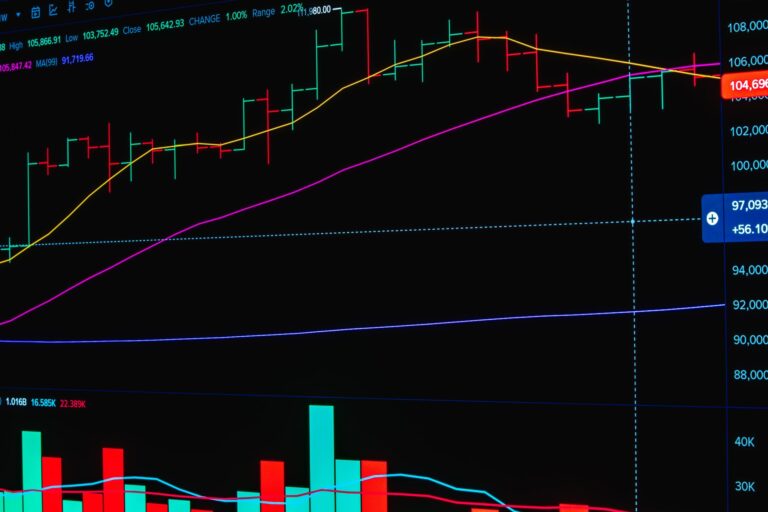
Nifty Sensex market trends indicate that investors are cautious as the indices show mixed performance amid global uncertainties.
Current Nifty and Sensex Performance
The current performance of the Nifty and Sensex reflects a cautious sentiment among investors amid ongoing global uncertainties. As of the latest trading session, the Nifty index closed at 24,055, indicating a slight fluctuation in market performance. Meanwhile, the Sensex experienced a marginal slip, further highlighting the hesitation among market participants.
Several factors are contributing to this cautious approach:
- Global Economic Data: Mixed signals from international markets have raised concerns about potential economic slowdowns.
- Geopolitical Tensions: Ongoing geopolitical issues have led to increased volatility, prompting investors to reassess their positions.
- Interest Rate Speculations: Anticipation surrounding central bank decisions on interest rates has created an atmosphere of uncertainty, impacting market confidence.
- Corporate Earnings Reports: Investors are closely monitoring quarterly earnings, with some reports falling short of expectations, adding to the cautious sentiment.
As a result, many market participants are adopting a wait-and-see approach, closely watching the Nifty and Sensex market trends for any signs of recovery or further decline. With the current climate, analysts suggest that investors should remain vigilant and prepared for potential fluctuations in the coming weeks. The interplay of domestic and international factors will likely continue to shape the market landscape moving forward.
Reasons Behind Market Caution
Market analysts attribute the current caution among investors to several key factors influencing the Nifty and Sensex market trends. These factors include:
- Global Economic Uncertainty: Recent geopolitical tensions and fluctuating economic indicators from major economies have created an atmosphere of unpredictability. Investors are wary as global markets react to these developments.
- Interest Rate Hikes: Anticipations of rising interest rates by central banks have led to increased volatility. Higher borrowing costs can dampen consumer spending and business investments, which impacts market sentiment.
- Inflation Concerns: Persistent inflationary pressures continue to worry investors. With rising costs of goods and services, the purchasing power of consumers may diminish, affecting overall economic growth.
- Corporate Earnings Reports: Mixed signals from quarterly earnings reports have left investors uncertain about the future profitability of companies. Disappointing results can lead to a reassessment of stock valuations, further contributing to a cautious approach.
- Regulatory Changes: Potential policy changes and regulatory adjustments in key sectors are adding layers of complexity. Investors are closely monitoring these developments to gauge their impact on market dynamics.
As a result of these challenges, many investors are adopting a more conservative strategy, focusing on preserving capital while waiting for clearer signals from the market.
Impact of Global Events on Markets
The impact of global events on markets cannot be understated, especially in the current climate where uncertainties are prevalent. Investors are closely monitoring a range of international factors that are influencing the Nifty and Sensex market trends.
One significant event is the ongoing geopolitical tensions which have led to fluctuations in oil prices. Higher oil prices can exacerbate inflation, prompting central banks to reconsider their monetary policies. This creates an atmosphere of uncertainty, causing investors to adopt a more cautious approach.
Additionally, the global economic outlook remains fragile, with many experts warning of potential recessions in key economies. This has a ripple effect, as companies listed on the Nifty and Sensex rely heavily on international trade and investment. A downturn in major economies could lead to reduced earnings forecasts, further impacting market confidence.
Moreover, changes in monetary policy from central banks worldwide, particularly the U.S. Federal Reserve, also play a pivotal role. Any signals of interest rate hikes can lead to capital outflows from emerging markets, including India, affecting the overall sentiment towards the Nifty and Sensex.
In summary, as global events unfold, the cautious stance of investors reflects a broader concern about economic stability. Market participants are remaining vigilant, aware that external developments can significantly sway market trends and investor sentiment in the Nifty and Sensex.
Future Outlook for Investors
As investors navigate the current climate, the future outlook for the Nifty and Sensex markets remains a topic of significant concern. The persistent uncertainties, both domestically and globally, contribute to a cautious atmosphere that has left many investors on edge.
Several factors are likely to influence future trends:
- Economic Indicators: Upcoming economic reports will play a crucial role in shaping investor sentiment. Key indicators such as GDP growth, inflation rates, and employment statistics can provide insights into market health.
- Monetary Policy: Decisions from the Reserve Bank of India regarding interest rates will also be closely monitored. Any shifts in policy could either bolster or dampen market performance.
- Global Events: International developments, including geopolitical tensions and economic policies from major economies, can have ripple effects on the Nifty and Sensex, influencing investor behavior.
- Corporate Earnings: The performance of major companies during the earnings season will be vital. Positive earnings reports could restore confidence, while disappointing results may further fuel caution among investors.
In this climate of uncertainty, investors are advised to remain vigilant and consider diversifying their portfolios to mitigate risks. As they assess the Nifty Sensex market trends, a balanced approach may prove beneficial in navigating the complexities ahead.
Expert Opinions on Market Trends
Market analysts and experts have shared their insights on the current Nifty Sensex market trends, emphasizing the need for caution among investors. With the recent fluctuations in global markets, many are advising a more conservative approach to investment.
Rajesh Kumar, a renowned market strategist, noted that “investors should remain vigilant as uncertainties loom over both domestic and international markets.” He highlighted that the current volatility could persist, suggesting that a balanced portfolio may be the best strategy during these turbulent times.
Meera Sharma, an investment consultant, pointed out that “the Nifty and Sensex have shown resilience but are not immune to external shocks.” She advised investors to closely monitor geopolitical developments and economic indicators that could further influence market performance.
Several analysts also mentioned the importance of sector-specific investments. Ravi Desai, a sector analyst, emphasized that “investors should focus on sectors that have shown growth potential despite overall market fluctuations.” He specifically suggested technology and healthcare as promising areas for investment.
As the Nifty Sensex market trends evolve, experts recommend that investors conduct thorough research and seek professional advice before making significant investment decisions. Keeping an eye on both global and local economic indicators will be crucial for navigating the current market landscape.
Strategies for Navigating Market Volatility
As the Nifty Sensex market trends continue to reflect a cautious atmosphere, investors are seeking effective strategies to navigate the ongoing volatility. Here are some approaches that could help mitigate risks while capitalizing on potential opportunities:
- Diversification: Spreading investments across various asset classes can reduce the impact of market fluctuations. Including stocks, bonds, and commodities in a portfolio can provide a buffer against volatility.
- Research and Analysis: Staying informed about market trends, economic indicators, and global events is crucial. Investors should conduct thorough research and consider both technical and fundamental analysis to make informed decisions.
- Setting Stop-Loss Orders: Implementing stop-loss orders can help limit potential losses by automatically selling securities when they reach a predetermined price, providing a safety net during turbulent times.
- Investing in Defensive Stocks: Allocating funds to defensive stocks, which tend to remain stable during market downturns, can be a wise choice. These may include utility and consumer goods companies that offer consistent performance.
- Maintaining a Long-Term Perspective: While short-term volatility can be unsettling, focusing on long-term goals can help investors stay the course. This approach allows for potential recovery as markets stabilize.
By adopting these strategies, investors can better position themselves to face the uncertainties reflected in the current Nifty Sensex market trends.
The Nifty Sensex market trends indicate a volatile environment as global economic factors weigh heavily on investor sentiment. As cautious investors face uncertainties, many are reevaluating their strategies in light of the latest data.
Photo by Rafael Minguet Delgado on Pexels
Where this came from
Related reading
- US Fed Rate Hike Impact: Clear Effects on Indian Stocks
- MCY Q2 2026 Earnings: Best Proven Growth Outlook Revealed
- Sensex Nifty prediction: Smart insights for Ganesha Chaturthi
About the Author