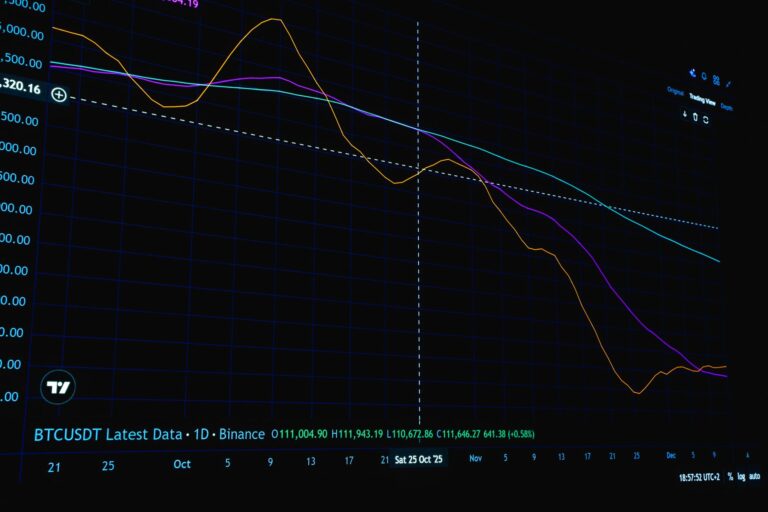
Bitcoin ETF inflows have surged to $2.4 billion, raising questions about why the BTC price isn’t breaking out. This article explores the factors influencing Bitcoin’s price movement despite significant investment.
Understanding Bitcoin ETF Inflows
Bitcoin ETF inflows have recently surged, reaching an impressive $2.4 billion, which raises questions about the current price performance of Bitcoin (BTC). Despite this significant influx of capital, many investors are puzzled as to why the price of BTC isn’t breaking out as expected.
Several factors could be influencing this phenomenon:
- Market Sentiment: Investor sentiment can heavily impact price movements, and uncertainty in the broader market may be holding back BTC.
- Regulatory Concerns: Ongoing regulatory scrutiny surrounding cryptocurrency markets might be creating hesitance among potential buyers.
- Profit-Taking: Some investors might be cashing out profits, leading to selling pressure that counteracts the positive effects of ETF inflows.
As the market evolves, understanding these dynamics will be crucial for investors looking to navigate the complex landscape of Bitcoin ETF inflows.
Current BTC Price Trends
The current trends surrounding Bitcoin indicate a complex relationship between Bitcoin ETF inflows and the price of BTC. Despite the recent surge in Bitcoin ETF inflows, which have reached an impressive $2.4 billion, the BTC price has remained relatively stagnant. Analysts are investigating several factors that could be contributing to this phenomenon.
One significant aspect is the overall market sentiment, which appears cautious amid global economic uncertainties. Additionally, institutional investors may be waiting for clearer regulatory guidance before significantly increasing their exposure to BTC.
Furthermore, market liquidity plays a crucial role, as high inflows can sometimes lead to price resistance rather than immediate gains. As the market digests these developments, investors are left wondering when the BTC price will finally respond to the growing interest reflected in Bitcoin ETF inflows.
Factors Affecting Bitcoin Prices
Several factors are influencing the current Bitcoin market, particularly in relation to Bitcoin ETF inflows. First, the overall market sentiment remains cautious, with many investors adopting a wait-and-see approach due to regulatory uncertainties. Additionally, macroeconomic indicators, such as inflation and interest rates, continue to weigh heavily on investor confidence.
Moreover, despite the significant Bitcoin ETF inflows, which recently hit $2.4 billion, the crypto market has not responded as expected. This discrepancy suggests that the influx of institutional capital is being overshadowed by broader economic concerns and profit-taking among short-term traders.
Lastly, market manipulation and the influence of large holders, or “whales,” can create volatility, further complicating the price dynamics of Bitcoin.
In summary, while Bitcoin ETF inflows signal strong institutional interest, various external factors are hindering a significant price breakout.
Investor Sentiment in Crypto Market
The cryptocurrency market is currently experiencing a shift in investor sentiment, particularly following the significant Bitcoin ETF inflows. With inflows reaching $2.4 billion, many expected a price surge in Bitcoin (BTC). However, the anticipated breakout has yet to materialize, leading to confusion among investors.
Several factors contribute to this cautious sentiment:
- Market Volatility: The inherent volatility in crypto markets often leads to uncertainty, causing investors to hold back on major decisions.
- Regulatory Concerns: Ongoing regulatory scrutiny can create apprehension, influencing investor confidence in Bitcoin and other cryptocurrencies.
- Broader Economic Factors: Macroeconomic conditions, such as inflation and interest rates, play a crucial role in shaping investor behavior.
As investors navigate these challenges, the outlook for Bitcoin remains uncertain despite the recent influx of capital into Bitcoin ETFs.
Future Predictions for BTC
As Bitcoin ETF inflows continue to surge, reaching an impressive $2.4 billion, many are left wondering why the price of BTC isn’t experiencing a breakout. Analysts suggest several potential scenarios for the future of Bitcoin.
- Market Consolidation: Some experts believe we may be in a phase of market consolidation, where prices stabilize before making significant moves.
- Regulatory Changes: Upcoming regulatory developments could impact investor confidence, influencing future price trends.
- Increased Institutional Interest: Continued institutional adoption of Bitcoin through ETFs may lead to higher long-term demand and support for the price.
- Macro-Economic Factors: Global economic conditions, including inflation rates and interest policies, will also play a crucial role in determining BTC’s trajectory.
Overall, while Bitcoin ETF inflows are promising, external factors will ultimately shape its future.
Comparing Bitcoin with Other Cryptos
As Bitcoin ETF inflows continue to gain momentum, it’s crucial to compare Bitcoin’s performance with other major cryptocurrencies. While Bitcoin remains the leading digital asset, its growth has not mirrored the surges seen in altcoins such as Ethereum and Solana.
Factors contributing to this disparity include:
- Market Maturity: Bitcoin is regarded as the most stable cryptocurrency, resulting in slower price movements compared to its more volatile counterparts.
- Institutional Interest: While Bitcoin ETF inflows have increased, other altcoins are capturing investor attention with innovative technologies and use cases.
- Regulatory Landscape: Ongoing regulatory discussions can impact Bitcoin more significantly, causing price hesitance.
These elements combine to create a complex environment where Bitcoin’s price struggles to break out despite the significant inflows into Bitcoin ETFs.
Sources
You might also like
- Is Parag Milk Foods Stock the Best Buy Today for Investors?
- Western Carriers trading window: Major closure for Q2FY27 results
- Nifty 50 market update: Best Proven Strategies for Investors
About the Author