Bitcoin price movement is a critical topic for investors and enthusiasts alike. Understanding the factors influencing these fluctuations can provide valuable insights into the cryptocurrency market.
Understanding Bitcoin Price Movement
The dynamics of Bitcoin price movement are influenced by a multitude of factors that can cause significant fluctuations in its value. Understanding these elements is crucial for both investors and enthusiasts alike.
One of the primary drivers of Bitcoin price movement is market demand. As more individuals and institutions show interest in acquiring Bitcoin, its price tends to rise. Conversely, when demand wanes, the price can drop sharply. This creates an environment where sentiment plays a pivotal role.
Another key factor is regulatory developments. News regarding government regulations can impact investor confidence and lead to sudden price changes. For instance, positive regulatory news may boost prices, while negative announcements can result in sharp declines.
Technological advancements also play a significant role in the value of Bitcoin. Improvements in blockchain technology or security may enhance trust and usability, potentially driving prices higher.
Additionally, macroeconomic trends, such as inflation rates and interest rates, can influence Bitcoin as it is often viewed as a hedge against traditional financial instability.
In summary, understanding the complex interplay of these factors helps demystify the Bitcoin price movement and assists investors in making informed decisions.
Key Factors Affecting Bitcoin Prices
The price movement of Bitcoin is influenced by various factors that can lead to significant fluctuations in its value. Understanding these elements is crucial for investors and enthusiasts alike. Here are some key factors affecting Bitcoin prices:
- Market Demand: The basic principle of supply and demand plays a critical role. As more investors seek to buy Bitcoin, its price tends to rise. Conversely, if demand decreases, prices may fall.
- Regulatory Changes: Government regulations can greatly impact Bitcoin’s market. Announcements regarding restrictions or acceptance can lead to rapid shifts in price.
- Technological Developments: Innovations in blockchain technology and upgrades to the Bitcoin network can enhance its usability and security, positively influencing price movement.
- Market Sentiment: News cycles, social media discussions, and general public perception can sway investor confidence, leading to price volatility.
- Institutional Investment: Increased participation from institutional investors can lead to price surges, as larger capital inflows create upward pressure on Bitcoin prices.
Understanding these factors is essential for anyone looking to navigate the complex landscape of Bitcoin price movement effectively.
Market Trends in Cryptocurrency
The cryptocurrency market has seen significant fluctuations in recent months, with Bitcoin price movement capturing the attention of investors and analysts alike. Various market trends are influencing this volatility, making it essential to understand the driving forces behind these changes.
One notable trend is the increasing institutional adoption of Bitcoin. Major companies and financial institutions are beginning to invest in or accept Bitcoin, which lends credibility to the cryptocurrency and can lead to price surges. Additionally, the rise of decentralized finance (DeFi) platforms has created new avenues for investors, further impacting Bitcoin’s standing in the market.
Another factor to consider is the regulatory landscape. Governments around the world are evaluating how to approach cryptocurrency, and any announcements regarding regulation can cause swift shifts in market sentiment. For instance, positive regulatory news often leads to an uptick in Bitcoin price movement, while negative news can have the opposite effect.
Lastly, market sentiment driven by social media and influential figures can also play a crucial role. Tweets or public statements from high-profile personalities can lead to rapid changes in investor behavior, amplifying Bitcoin’s price fluctuations. Understanding these market trends is vital for anyone looking to navigate the ever-changing cryptocurrency landscape.
Investor Sentiment and Bitcoin
Investor sentiment plays a crucial role in the Bitcoin price movement and can significantly influence market trends. As the cryptocurrency market is known for its volatility, the emotions and perceptions of investors often lead to rapid price fluctuations. When sentiment is optimistic, more investors are likely to buy Bitcoin, driving prices higher. Conversely, negative sentiment can prompt selling, causing prices to drop.
Several factors contribute to investor sentiment in the cryptocurrency space:
- Media Coverage: Positive news stories about Bitcoin, such as institutional adoption or regulatory clarity, can boost investor confidence, while negative reports can create fear and uncertainty.
- Market Sentiment Indicators: Tools like the Fear and Greed Index help gauge investors’ emotions, providing insights into whether the market is overly fearful or greedy.
- Social Media Influence: Platforms like Twitter and Reddit have become hotbeds for discussions around Bitcoin, where influential figures can sway public opinion and impact prices.
- Investor Education: As more people learn about Bitcoin and its potential, positive sentiment can increase, contributing to price stability and growth.
Understanding these elements is essential for navigating the complexities of Bitcoin’s price movement and making informed investment decisions.
Regulatory Impact on Bitcoin
The regulatory landscape surrounding cryptocurrencies has a significant impact on Bitcoin price movement. As governments and financial institutions develop frameworks for digital assets, their decisions can create ripples throughout the market.
Investors closely monitor regulatory announcements, as they can influence market sentiment and trading behaviors. Key factors include:
- Legislation: New laws or changes to existing regulations can either bolster investor confidence or create uncertainty. For instance, countries that embrace blockchain technology often see a surge in Bitcoin prices.
- Government Bans: On the other hand, countries imposing strict regulations or outright bans on cryptocurrency trading can lead to sharp declines in Bitcoin prices, as seen in past market reactions.
- Tax Policies: How governments choose to tax cryptocurrency transactions can also affect investor behavior. Favorable tax structures may encourage more investment, while heavy taxation can deter participation in the market.
- Central Bank Digital Currencies (CBDCs): The introduction of CBDCs by various countries raises questions about the future of Bitcoin and its use as a digital asset. This can lead to volatility as investors reassess Bitcoin’s role.
Ultimately, the interplay between regulatory developments and Bitcoin price movement defines the broader cryptocurrency landscape, requiring investors to stay informed and adaptable.
Technical Analysis of Bitcoin
Technical analysis plays a crucial role in understanding Bitcoin price movement. By examining historical price data and chart patterns, analysts can identify trends and potential future movements. This method involves utilizing various tools and indicators to assess market behavior and make informed predictions.
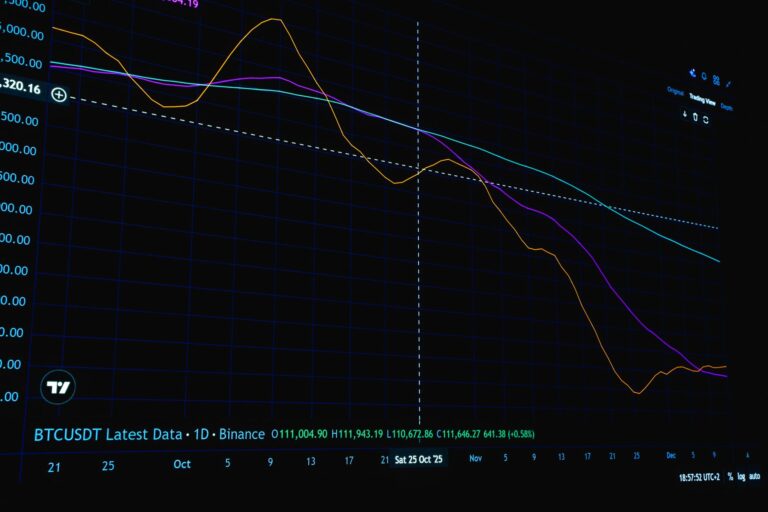
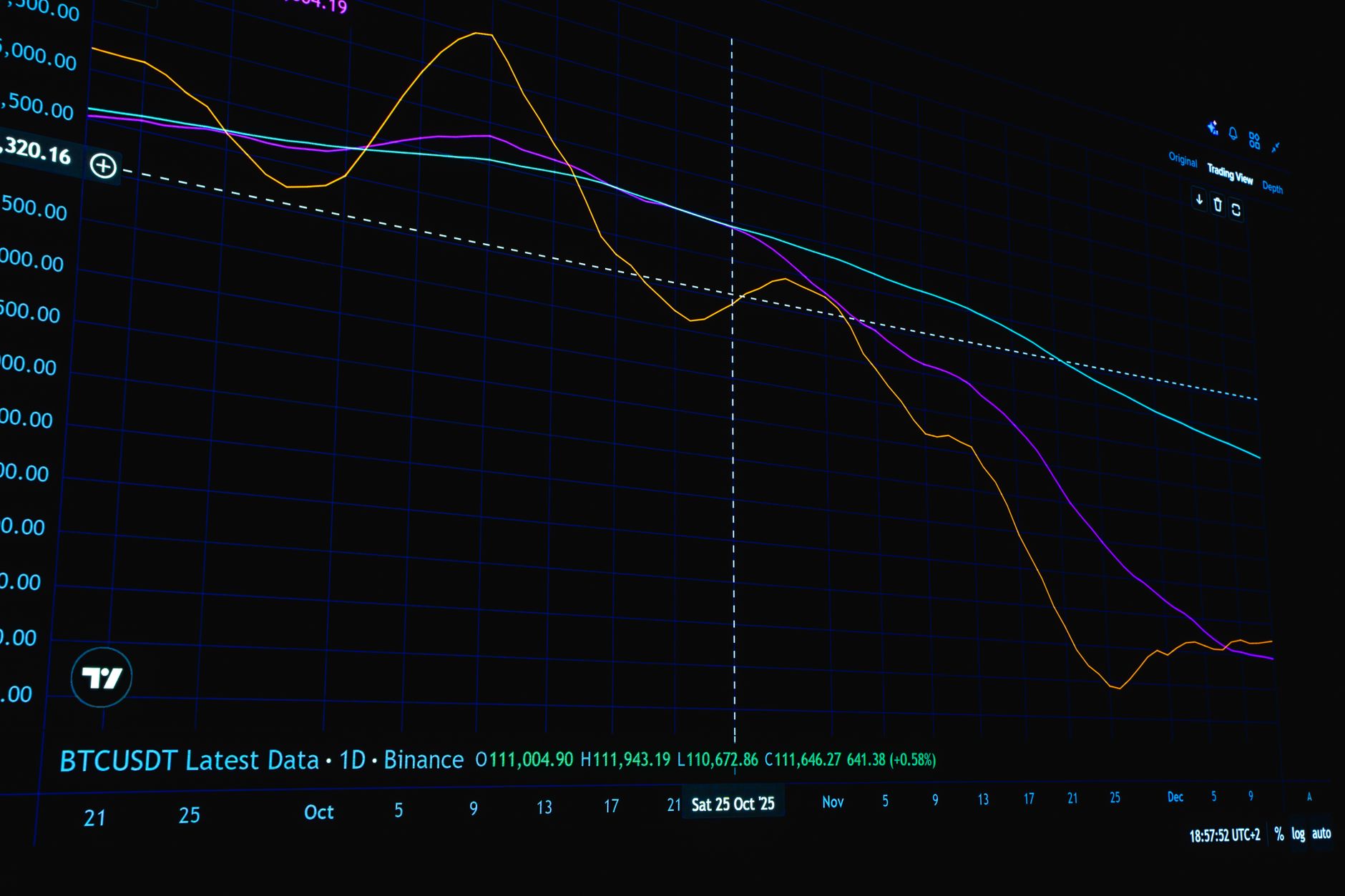
One of the most commonly used tools in technical analysis is the moving average. This indicator helps smooth out price data over a specified period, allowing traders to identify trends more clearly. For example, when the short-term moving average crosses above the long-term moving average, it can signal a potential upward trend in Bitcoin prices.
Another important indicator is the Relative Strength Index (RSI), which measures the speed and change of price movements. If the RSI indicates that Bitcoin is overbought, it may suggest a price correction is imminent. Conversely, an oversold condition could indicate a buying opportunity.
Additionally, support and resistance levels are critical aspects of technical analysis. Support levels indicate where buyers may enter the market, while resistance levels show where selling pressure might emerge. Understanding these levels can help investors make strategic decisions in a volatile market.
Overall, technical analysis provides valuable insights into Bitcoin price movement, helping traders navigate the complexities of the cryptocurrency market.
Future Predictions for Bitcoin
As the cryptocurrency market continues to evolve, future predictions for Bitcoin remain a topic of intense interest among investors and analysts alike. Given the historical volatility of Bitcoin price movement, forecasting its trajectory is inherently challenging. However, several emerging trends and factors could influence its future value.
One significant element is the potential for increased institutional adoption. As more companies and financial institutions integrate Bitcoin into their portfolios, demand may rise, possibly driving prices upward. Additionally, geopolitical events and macroeconomic conditions, such as inflation rates and currency fluctuations, can heavily impact investor behavior and subsequently the Bitcoin price movement.
Another factor to consider is technological advancements within the Bitcoin network itself. Innovations aimed at improving transaction speeds and reducing costs could enhance its usability and attractiveness, thus positively influencing market sentiment.
Furthermore, regulatory developments will play a crucial role in shaping the future landscape of Bitcoin. Clearer regulations may provide a safer environment for investors, potentially stabilizing prices.
In conclusion, while predicting Bitcoin price movement is fraught with uncertainty, monitoring these factors can provide insights into its future direction. Investors should remain vigilant and informed as they navigate this dynamic market.
How to Navigate Bitcoin Price Changes
As the cryptocurrency market continues to evolve, understanding how to navigate Bitcoin price changes becomes essential for investors and enthusiasts alike. The volatility of Bitcoin price movement can be daunting, but several strategies can help individuals make informed decisions.
Firstly, staying updated with market news is crucial. Significant events, such as technological advancements or changes in regulations, can lead to rapid shifts in Bitcoin prices. Subscribing to reliable news sources or following industry experts on social media can provide valuable insights.
Secondly, employing risk management strategies can safeguard investments. Setting stop-loss orders can help minimize potential losses during sudden price drops, while taking profits at predetermined levels can secure gains. Additionally, diversifying investments can reduce exposure to Bitcoin price movement fluctuations.
Furthermore, understanding technical analysis can be beneficial. Familiarizing oneself with chart patterns, trends, and indicators allows investors to make educated predictions about future price movements. Utilizing tools and platforms that offer real-time data can enhance the analysis process.
Lastly, maintaining a long-term perspective is vital. While short-term fluctuations may be alarming, focusing on Bitcoin’s historical performance and potential for growth can provide a more balanced approach to investing in this dynamic market.
Photo by Rafael Minguet Delgado on Pexels
Read the original
You might also like
MSEI CSE unlisted shares: What’s the Best Proven Strategy? · Balmer Lawrie FY26 results: Proven growth with ₹2,784 crore turnover · Sensex Nifty Market Performance: Proven Insights for Investors
About the Author