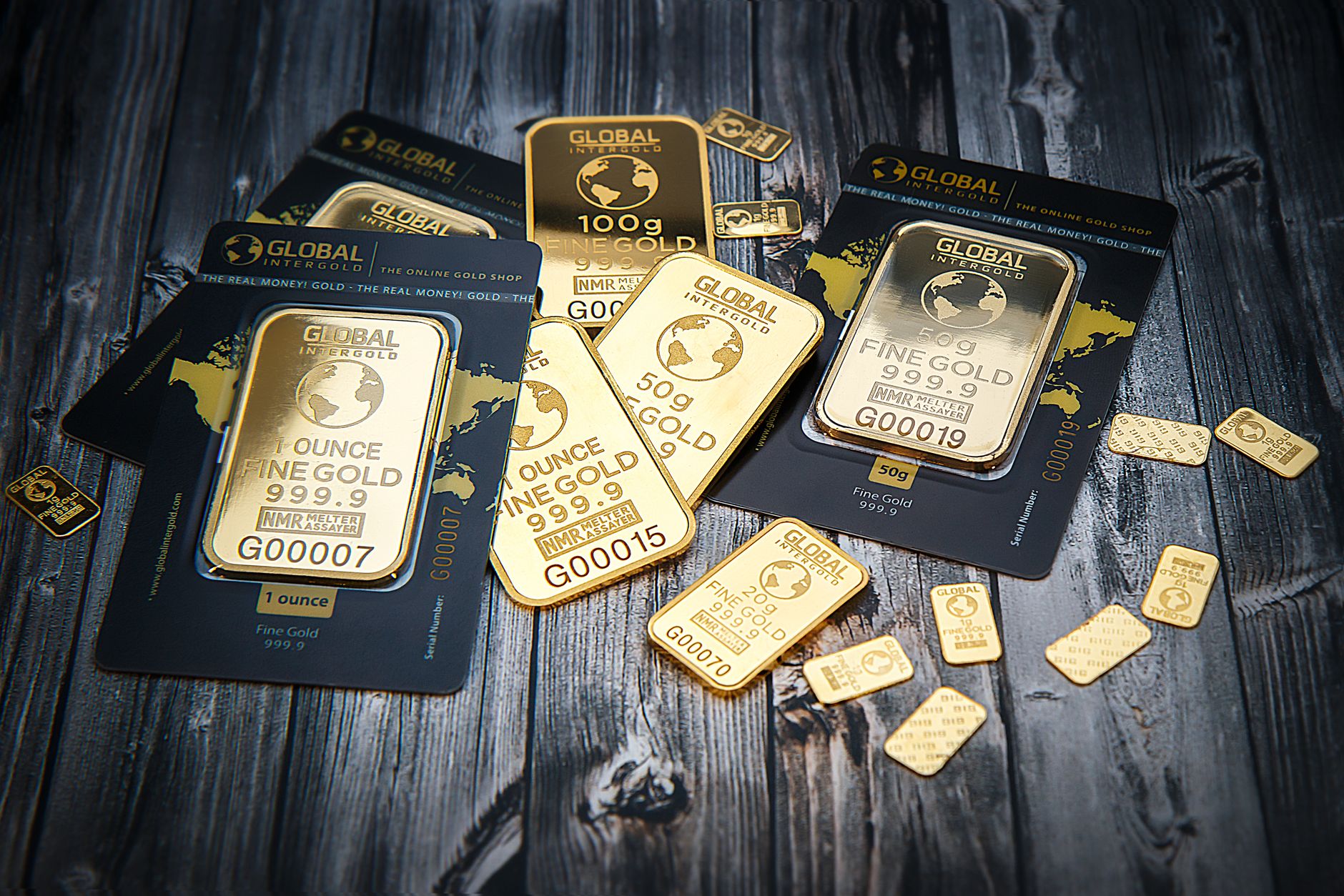
Gold prices are currently experiencing a one-week high, attracting attention from investors who are closely monitoring the Federal Reserve’s rate trajectory.
Current Trends in Gold Prices
As of this week, gold prices have reached a one-week high, signaling a potential shift in the market that investors are closely monitoring. The recent movement in prices is largely influenced by expectations surrounding the Federal Reserve’s interest rate decisions. With inflation concerns still prevalent, many are speculating whether the Fed will continue its tightening policy or adopt a more dovish stance.
This uncertainty has created a volatile environment for gold, which is often seen as a safe haven asset during economic turbulence. Investors are weighing their options, considering both short-term fluctuations and long-term trends in the precious metal market.
Key factors contributing to the current trends in gold prices include:
- Economic Data: Recent economic reports suggest mixed signals, adding to the unpredictability of gold prices.
- Geopolitical Tensions: Ongoing conflicts and trade disputes continue to drive demand for gold as a secure investment.
- Dollar Strength: The performance of the U.S. dollar remains a significant influence, with a stronger dollar typically exerting downward pressure on gold prices.
Investors are advised to stay informed and consider these trends when devising strategies related to gold investments. Understanding the interplay of these factors can be crucial in navigating the current market dynamics.
Impact of Fed Rate on Gold
The relationship between interest rates and gold prices has been a subject of considerable analysis among investors. As the Federal Reserve adjusts its monetary policy, many market participants closely monitor how these changes impact the price of gold.
When the Fed raises interest rates, the opportunity cost of holding non-yielding assets like gold increases. As a result, investors may seek higher returns from interest-bearing assets, leading to a potential decline in gold prices. Conversely, when interest rates are low or the Fed signals a dovish stance, gold often becomes more attractive. This behavior can be attributed to several factors:
- Inflation Hedge: Gold is frequently viewed as a safe haven during times of inflationary pressure. If the Fed maintains low rates to stimulate the economy, gold may rise as investors seek to protect their wealth.
- Market Sentiment: Changes in Fed policy can influence market sentiment significantly. A dovish outlook can lead to increased appetite for gold, pushing prices higher.
- Global Uncertainty: Economic instability or geopolitical tensions can also affect gold prices. If the Fed’s actions create uncertainty, gold may benefit as a safe haven asset.
Understanding these dynamics is crucial for investors looking to navigate the complex landscape of gold prices effectively.
Investor Strategies for Gold
As gold prices fluctuate, investors are continually seeking effective strategies to maximize their returns. Understanding the market dynamics and economic indicators is crucial for formulating a sound investment approach.
One effective strategy is to consider the long-term potential of gold as a hedge against inflation. Historically, gold has maintained its value over time, making it a reliable asset during economic uncertainty. Investors should look to allocate a portion of their portfolio to gold, especially during periods of high inflation or geopolitical tensions.
Another strategy involves timing the market. Investors can monitor trends and price movements closely to identify opportune moments for buying and selling. Utilizing technical analysis can help in predicting short-term movements in gold prices, allowing investors to capitalize on price fluctuations.
Furthermore, diversifying gold investments through various vehicles—such as gold ETFs, mining stocks, and physical gold—can reduce risk. Each option offers different levels of exposure and potential returns, catering to different investor preferences.
Lastly, keeping an eye on central bank policies and economic indicators is essential. Changes in interest rates and fiscal policies can significantly impact gold prices, guiding investors in making informed decisions regarding their gold investments.
Market Reactions to Economic Indicators
The recent fluctuations in gold prices have been closely tied to various economic indicators, prompting investors to reassess their strategies. As the market reacts to data releases, the dynamics of supply and demand for gold continue to evolve. Analysts are particularly focused on the implications of inflation rates and employment figures, which often serve as precursors to changes in monetary policy.
One significant development was the release of last month’s employment report, which showed stronger-than-expected job growth. This news typically leads to speculation about potential interest rate hikes by the Federal Reserve, thereby influencing gold prices. Investors have responded by adjusting their positions, with many opting to hedge against possible inflationary pressures.
Additionally, geopolitical tensions and fluctuations in currency strength have also played a role in shaping market sentiment. A weaker U.S. dollar generally boosts gold’s appeal, as it becomes cheaper for foreign investors. Conversely, a strong dollar can dampen demand.
In summary, the market’s reaction to economic indicators is a crucial factor that investors must monitor closely. As they navigate these uncertain waters, the ongoing evaluation of gold prices will be essential in formulating effective investment strategies.
Photo by Michael Steinberg on Pexels
References
Related reading
- BEL shares trend reversal: Is it time to invest?
- Rates Spark: Is It the Worst Time to Get Comfortable?
- CJC-1295 Research Trends: Peptide Quality, Supply and Scientific Interest
About the Author