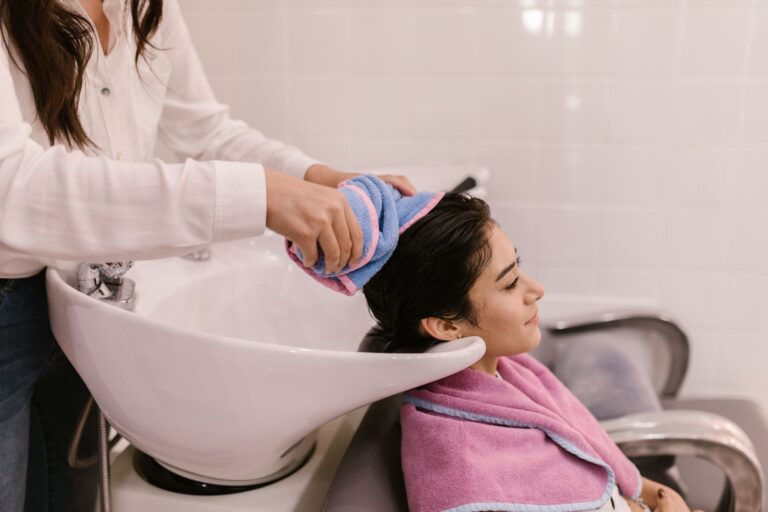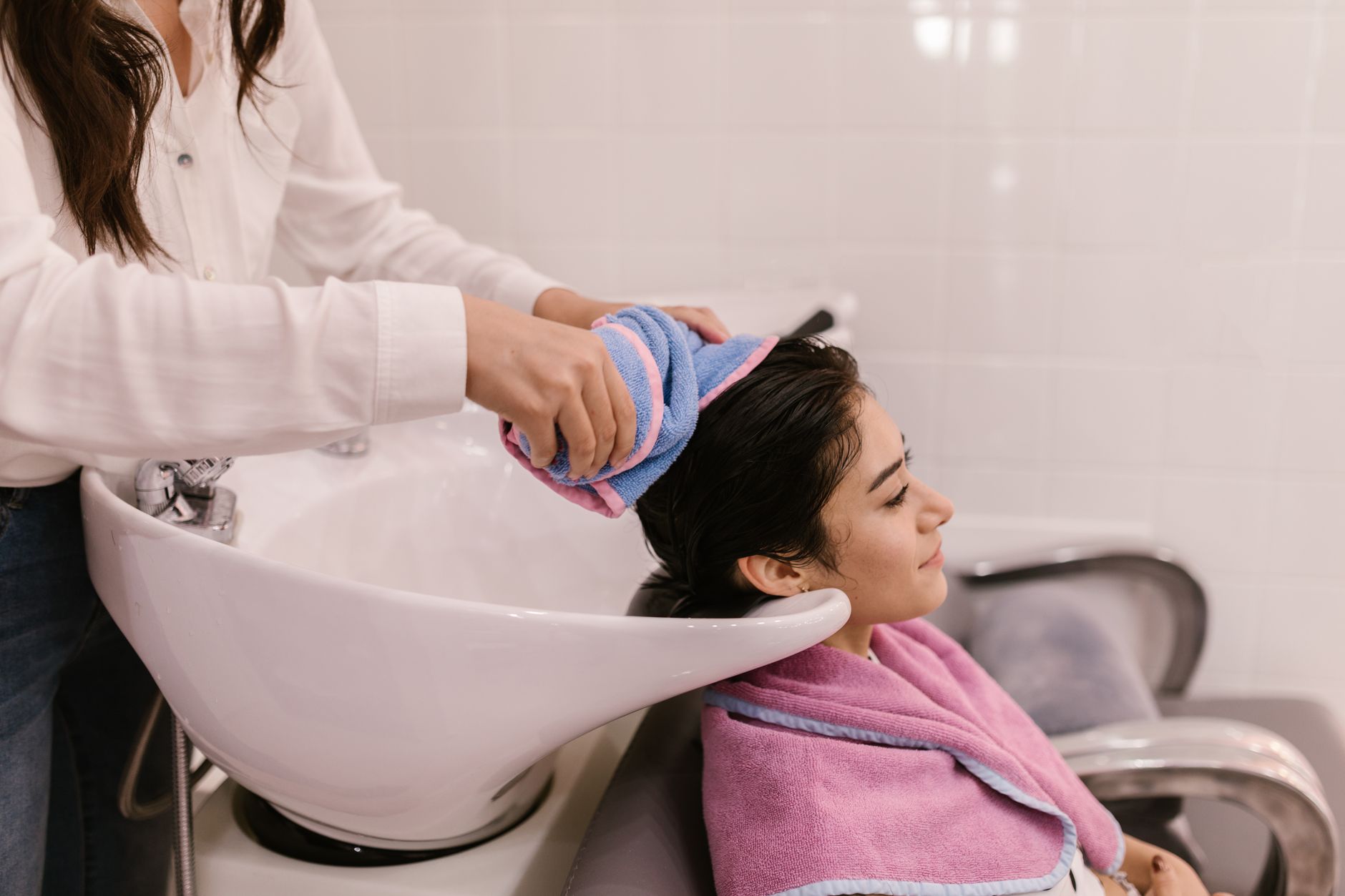
Japanese hair washing is a unique technique that promotes healthy hair growth. This method emphasizes gentle cleansing and nourishing treatments, setting it apart from traditional washing routines.
What is Japanese hair washing?
Japanese hair washing is a technique that emphasizes a gentle, thorough cleansing of the scalp and hair, aiming to promote overall hair health and growth. This method is rooted in the belief that a clean and healthy scalp is essential for nourishing hair follicles.
The process typically involves several key steps:
- Pre-wash preparation: Before applying any shampoo, the hair is thoroughly brushed to remove tangles and stimulate the scalp.
- Thorough rinsing: Hair is rinsed with warm water to open up the hair cuticles, allowing for better absorption of the cleansing products.
- Gentle shampoo application: A small amount of high-quality, sulfate-free shampoo is used, focusing primarily on the scalp rather than the lengths of the hair.
- Conditioning: After rinsing out the shampoo, a nourishing conditioner is applied to the hair, often left in for a few minutes to maximize hydration.
- Final rinse: The hair is then rinsed with cool water to seal the cuticles and enhance shine.
By incorporating these steps, Japanese hair washing offers a holistic approach to hair care that many believe can lead to healthier, stronger hair.
Benefits of Japanese hair washing
Japanese hair washing has gained popularity for its unique approach and potential benefits for hair health. This method emphasizes not only cleansing the hair but also nurturing the scalp, which can lead to improved hair growth. Here are some key benefits of Japanese hair washing:
- Gentle Cleansing: The technique often involves using mild, natural shampoos that do not strip the hair of its essential oils, making it suitable for various hair types.
- Scalp Stimulation: Massaging the scalp during the washing process increases blood circulation, which can promote healthier hair follicles and encourage growth.
- Hydration: Many Japanese hair washing rituals include conditioning treatments that help maintain moisture balance, preventing dryness and brittleness.
- Mindfulness: The practice encourages a mindful approach to self-care, allowing individuals to relax and reduce stress, which is beneficial for overall hair health.
By incorporating these elements, Japanese hair washing not only enhances the appearance of hair but also supports its growth, making it an attractive option for those seeking healthier locks.
How to wash your hair the Japanese way
Washing your hair the Japanese way involves a few key steps that prioritize both cleanliness and scalp health. Here’s how to do it effectively:
- Start with dry hair: Before wetting your hair, gently massage your scalp with your fingertips for a few minutes. This helps to loosen dirt and oils.
- Use warm water: After massaging, wet your hair with warm water. This opens up the hair cuticles, allowing for better absorption of the cleansing products.
- Choose the right shampoo: Select a sulfate-free shampoo that suits your hair type. A smaller amount is usually enough, as Japanese hair washing focuses on thorough cleansing rather than using excessive product.
- Apply and massage: Apply the shampoo to your scalp and gently massage it with your fingertips in circular motions. This promotes blood circulation and enhances relaxation.
- Rinse thoroughly: Make sure to rinse your hair and scalp thoroughly to remove all shampoo residue. This is important to avoid buildup.
Incorporating these steps into your routine can help you embrace the benefits of Japanese hair washing, potentially leading to healthier and stronger hair growth.
Common mistakes in hair washing
Many people strive for healthy hair growth, but common mistakes in hair washing can hinder progress. Understanding these pitfalls is essential, especially when considering Japanese hair washing methods.
- Not Prepping the Hair: Skipping the pre-wash routine is a frequent error. In Japanese hair washing, it’s important to thoroughly detangle hair before applying any product.
- Using Too Much Shampoo: Applying excessive shampoo can lead to product buildup and dryness. The Japanese method emphasizes using a small amount to maintain moisture.
- Washing Hair Too Often: Frequent washing strips natural oils, which can affect hair health. The Japanese approach typically recommends washing hair two to three times a week.
- Ineffective Rinsing: Failing to rinse thoroughly can leave residue that weighs hair down. Proper rinsing is crucial in the Japanese hair washing technique to ensure a clean scalp.
- Neglecting Scalp Care: Focusing solely on the hair strands can lead to scalp issues. Japanese hair washing emphasizes the importance of massaging the scalp to promote circulation.
By avoiding these common mistakes, you can better harness the benefits of Japanese hair washing for optimal growth.
Other hair care tips
While Japanese hair washing is gaining popularity for its unique approach, incorporating additional hair care tips can further enhance your hair health and growth. Here are some suggestions to consider:
- Use the right products: Choose shampoos and conditioners that suit your hair type. Look for products with natural ingredients to avoid harsh chemicals.
- Massage your scalp: Regular scalp massages stimulate blood circulation, promoting hair growth. You can do this during your Japanese hair washing routine for added benefits.
- Avoid hot water: Washing your hair with hot water can strip away natural oils. Instead, use lukewarm or cool water to maintain moisture.
- Limit heat styling: Excessive use of heat tools can damage hair. Try to minimize their usage or apply a heat protectant when necessary.
- Stay hydrated: Drinking plenty of water is essential for overall health, including the health of your hair. Ensure you are consuming enough fluids daily.
- Regular trims: Getting frequent trims helps eliminate split ends and promotes healthier growth. Aim for a trim every 6-8 weeks.
Expert opinions on hair washing
Experts in the field of hair care have weighed in on the effectiveness of Japanese hair washing techniques. Many emphasize that this method not only promotes cleanliness but also encourages healthier hair growth.
According to Dr. Emily Tan, a renowned trichologist, “The Japanese hair washing technique focuses on the scalp’s health, which is crucial for hair growth. By thoroughly cleansing the scalp, you eliminate buildup that can hinder hair follicles.”
Additionally, stylist Hiroshi Nakamura highlights the importance of using natural ingredients. “Many traditional Japanese hair washing products contain nourishing components like rice water and green tea, which can strengthen hair and prevent damage,” he notes.
However, not all experts agree. Some caution against over-washing. “While Japanese hair washing can be beneficial, excessive washing can strip hair of its natural oils,” warns dermatologist Dr. Sarah Lee. “Finding a balance is key.”
In conclusion, while Japanese hair washing may offer significant benefits, it is essential to tailor the approach to individual hair types and needs for optimal results.
Conclusion: Is it worth it?
In conclusion, the practice of Japanese hair washing offers a refreshing and thorough approach to hair care that many find beneficial. By emphasizing a gentle technique combined with high-quality products, this method not only cleanses the scalp effectively but also promotes overall hair health. Many enthusiasts report improvements in hair texture and scalp condition, suggesting that the benefits are not just superficial.
Moreover, the ritualistic aspect of Japanese hair washing can transform a mundane task into a relaxing self-care experience. This mental boost can be as important as the physical benefits it provides. However, it’s essential to consider individual hair types and preferences when adopting this method. While some may find dramatic improvements, others might need to adjust their routine to suit their specific needs.
Ultimately, whether Japanese hair washing is worth incorporating into your routine depends on personal hair goals and lifestyle. Experimenting with this technique could lead to discovering a new favorite way to care for your hair while potentially unlocking its growth potential.
- Consider your hair type before committing.
- Enjoy the self-care aspect of the process.
- Stay consistent for the best results.
Photo by RDNE Stock project on Pexels
Read the original
- XRP Price Prediction: Best Insights for 2026 Success
- Indian Oil Stocks: The Worst Impact of Rising Crude Prices
- Auto retail sales record: Proven rise of 18% in August
About the Author