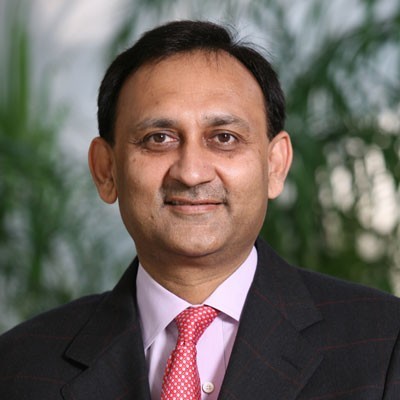
Tata Sons reappointment is valid, as the company has rejected Noel Tata’s objections regarding Chandrasekaran’s position. This decision reinforces the leadership structure within Tata Sons.
Background on Tata Sons
Tata Sons, the holding company of the Tata Group, has been at the center of corporate governance discussions in recent months. The firm is known for its strong legacy and leadership in various industries. Recently, the company faced scrutiny regarding the reappointment of its chairman, Natarajan Chandrasekaran. This reappointment has sparked debate, particularly following objections raised by board member Noel Tata.
Despite these objections, Tata Sons firmly rejected Noel Tata’s claims, asserting that the reappointment of Chandrasekaran is valid and in line with the company’s governance principles. The board’s decision underscores its commitment to maintaining stability and continuity in leadership, which is crucial for navigating the complexities of the global business landscape.
The context of Chandrasekaran’s leadership is significant, as he has steered Tata Sons through various challenges, including market fluctuations and the ongoing digital transformation. His strategic vision has been pivotal in aligning the conglomerate’s diverse businesses toward shared goals.
In light of these developments, the reappointment of Chandrasekaran is viewed as crucial for Tata Sons’ future trajectory, reinforcing the company’s dedication to effective leadership and governance.
Noel Tata’s Objections Explained
Noel Tata has expressed concerns regarding the validity of Natarajan Chandrasekaran’s reappointment at Tata Sons. He argues that the process lacked transparency and did not comply with the necessary corporate governance standards. In his objections, Tata highlighted several key points that he believes undermine the legitimacy of the reappointment.
- Concerns over Process: Noel Tata asserts that the board did not adequately consult all stakeholders, which raises questions about the fairness of the decision-making process.
- Governance Standards: He emphasizes that the reappointment should adhere to best practices in corporate governance, which he feels were overlooked during this instance.
- Lack of Communication: Tata notes that there was insufficient communication regarding the rationale behind Chandrasekaran’s reappointment, leaving several stakeholders in the dark.
Despite these objections, Tata Sons has firmly rejected Noel Tata’s claims, maintaining that the reappointment process was conducted in accordance with established protocols. The company stands by its decision, asserting that Chandrasekaran’s leadership has been instrumental in driving growth and innovation. This situation underscores ongoing tensions within the Tata family, particularly regarding governance and leadership decisions at Tata Sons.
Chandrasekaran’s Role in Tata Sons
In the ongoing discussions surrounding Tata Sons reappointment, Natarajan Chandrasekaran’s pivotal role has come to the forefront. As the chairman of Tata Sons, Chandrasekaran has been instrumental in navigating the conglomerate through various challenges while emphasizing innovation and sustainability.
His leadership style is characterized by a strong commitment to transparency and collaboration, which has resonated well within the organization. Under his tenure, Tata Sons has seen enhanced operational efficiency and a strategic focus on digital transformation. This approach has not only positioned the company favorably in a competitive market but also addressed concerns from stakeholders regarding governance and accountability.
Additionally, Chandrasekaran has actively engaged with different business units, fostering a culture of openness and collective decision-making. His ability to align the diverse interests of Tata’s subsidiaries has contributed to a more cohesive strategy across the conglomerate.
As the board of Tata Sons upheld Chandrasekaran’s reappointment, it underscored their confidence in his vision and leadership. The rationale behind this decision reflects a broader commitment to maintaining stability and continuity within Tata’s operations, further solidifying the case against Noel Tata’s objections.
Implications for Tata Group
The recent ruling regarding Tata Sons’ reappointment of Natarajan Chandrasekaran carries significant implications for the Tata Group and its overall governance structure. The decision underscores the board’s commitment to stability and continuity in leadership, particularly during a time of global economic uncertainty.
One of the most immediate effects of this ruling is the reinforcement of confidence among investors and stakeholders. A clear leadership structure is vital for maintaining investor trust, especially in a conglomerate as diverse as Tata Group. Additionally, the reappointment allows Chandrasekaran to continue implementing his strategic vision, which has been pivotal in driving growth and innovation across various sectors.
Furthermore, this decision may set a precedent for how objections to governance decisions are handled in the future. The dismissal of Noel Tata’s objections indicates a strong stance by Tata Sons on maintaining its existing leadership framework. As the company moves forward, the emphasis will likely be on transparency and adherence to established protocols, ensuring that all stakeholders feel their voices are heard while also maintaining operational efficiency.
In this context, the Tata Sons reappointment signifies not just a continuation of leadership but a reaffirmation of the group’s strategic direction.
Industry Reactions to the Decision
Industry reactions to the recent Tata Sons reappointment decision have been mixed, reflecting a range of perspectives from analysts and business leaders alike. Many experts believe the board’s choice to uphold Chandrasekaran’s position demonstrates confidence in his leadership and the strategic direction of the group.
Analyst Prakash Mehta noted, “This decision solidifies the vision that Tata Sons has for the future. Chandrasekaran has proven his capability to navigate challenges effectively, which is vital for the conglomerate’s growth.”
Conversely, some voices in the industry have expressed concern. Linda Roy, a corporate governance expert, stated, “While the reappointment of Chandrasekaran may seem valid to the board, it raises questions about internal dissent and the need for diverse viewpoints in leadership.”
Additionally, shareholders have shown a keen interest in understanding how this decision will impact governance and operational strategies moving forward. The broad consensus appears to be that while the reappointment of Chandrasekaran is seen as a stabilizing factor, the implications of Noel Tata’s objections cannot be overlooked.
Future of Leadership at Tata Sons
The future of leadership at Tata Sons appears more defined following the recent decision regarding Chandrasekaran’s reappointment. The board’s unanimous stance reinforces their commitment to stability and continuity, which are crucial for navigating the complex business environment. Stakeholders are optimistic that this decision will foster a more cohesive strategy moving forward.
Chandrasekaran’s leadership style has been characterized by a blend of innovation and adherence to Tata’s core values, which has garnered respect from both employees and industry peers. His vision for the company includes:
- Digital Transformation: Pushing for technological advancements to enhance operational efficiency.
- Global Expansion: Exploring new markets to elevate the Tata brand.
- Sustainable Practices: Prioritizing environmentally friendly initiatives to meet global standards.
As Tata Sons reappointment solidifies Chandrasekaran’s position, it is expected that he will focus on fostering innovation while preserving the heritage of the Tata Group. This balance is pivotal in ensuring that the conglomerate remains competitive in an ever-evolving marketplace.
The Tata Sons reappointment has sparked discussions among industry experts regarding its implications for corporate governance. Many analysts believe that the Tata Sons reappointment is a strategic move to ensure stability and continuity within the organization.
By Rajeevjhawarushamartin via Openverse
Sources
You might also like
- Microsoft Copilot overhaul: Best proven strategies for growth
- Hero Motors IPO: Best Proven Strategies for Investors
- AceVector IPO Details: Quick Guide to Key Information
About the Author