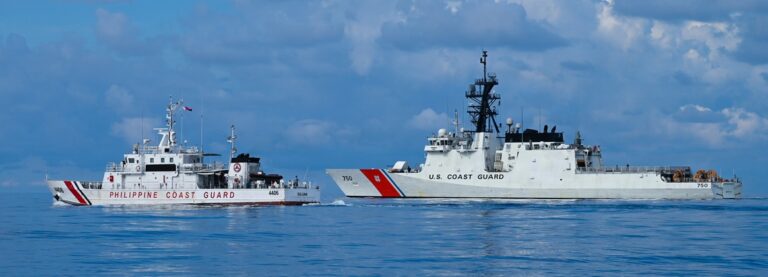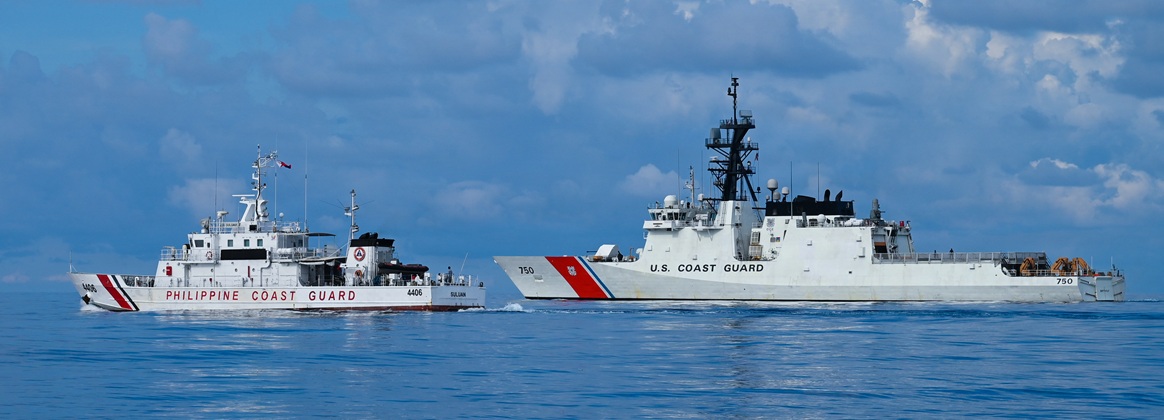
U.S. Coast Guard Legend-class national security cutter USCGC Bertholf (WMSL 750) transits in formation with Philippine Coast Guard Parola-class patrol vessel BRP Suluan (MRRV-4406) in the West Philippine Sea, Oct. 14, 2026. Bertholf is forward-deployed and currently assigned to Destroyer Squadron (DESRON) 15, the Navy’s largest DESRON and U.S. 7th Fleet’s principal surface force. U.S. 7th Fleet, the Navy’s largest forward-deployed numbered fleet, routinely interacts and operates with allies and partners in preserving a free and open Indo-Pacific. (U.S. Coast Guard photo by Petty Officer 3rd Class Trinity Whalen)
Construction sites rely on open flames, welding torches, and cutting tools every day, and these activities carry serious fire risk. When a fire watch company near me search leads a site manager to proper standby personnel, that decision often prevents a minor spark from becoming a major loss. This article answers the most common questions about what fire watch guards do on-site, particularly during hot work and periods when automatic fire systems are offline.
What is a fire watch guard responsible for during hot work?
A fire watch guard stands by continuously while welding, cutting, grinding, or any spark-producing activity takes place. Their job is to observe the immediate work area, identify combustible materials nearby, and intervene the moment a spark or ember lands somewhere it shouldn’t. They are trained to recognize smoldering conditions that might not be visible right away, since many fires start quietly before they spread.
Why are fire watch guards needed when fire suppression systems are impaired?
Sprinkler systems, alarms, and detection equipment sometimes go offline for maintenance, repairs, or construction phasing. During that window, the building has no automatic way to detect or respond to fire. A trained guard fills that gap by physically patrolling the space, watching for smoke, heat, or unusual odors, and maintaining direct communication with emergency responders if something goes wrong. This human oversight becomes the only active layer of protection until the system is restored.
How often do fire watch guards patrol the site?
Patrol frequency depends on the nature of the impairment and local fire code requirements, but guards typically conduct regular rounds through all affected areas rather than remaining stationary. They check stairwells, mechanical rooms, storage areas, and any space where combustible materials are present. Consistent, documented patrols demonstrate compliance and give site managers a clear record if questions arise later.
What equipment do fire watch guards carry?
Guards are typically equipped with a portable fire extinguisher, a reliable communication device, and a flashlight for checking dim or enclosed areas. Many also carry log sheets or digital tools to record patrol times, observations, and any incidents. This documentation matters for compliance audits and for demonstrating that the site maintained proper coverage throughout the hot work or impairment period.
How long does a fire watch guard stay after hot work finishes?
Guards don’t leave the moment the torch is switched off. Industry practice generally calls for continued observation for a set period afterward, since embers can smolder in hidden materials for some time before flaring up. This post-work monitoring is one of the most overlooked aspects of fire watch duty, yet it’s often when hidden ignition sources finally reveal themselves.
Who typically requests fire watch services on a construction site?
General contractors, site safety officers, and property owners usually coordinate fire watch coverage, often based on insurance requirements, local fire marshal directives, or internal safety protocols. On active job sites, this responsibility frequently falls to whoever manages daily safety compliance, since missing a required fire watch can halt work entirely or trigger fines.
What qualifications should a fire watch guard have?
Reputable guards receive training in fire behavior, extinguisher use, evacuation procedures, and hazard recognition specific to construction environments. They should understand how different materials ignite and spread fire, and they need the judgment to escalate a situation quickly rather than hesitate. Experience on active construction sites, where conditions change daily, is particularly valuable.
Staying Protected Through Every Phase of Construction
Fire watch guards serve as a direct, human safeguard during the exact moments when a site is most vulnerable, whether that’s active hot work or a temporary gap in fire protection systems. Their patrols, equipment readiness, and post-work monitoring work together to close safety gaps that technology alone cannot cover. Site managers who prioritize proper fire watch coverage protect not just property, but the people working around it every day.
Key Points
- Fire watch guards are responsible for monitoring activities such as welding, cutting, and grinding to prevent fires on construction sites.
- When automatic fire suppression systems are offline, fire watch guards provide essential human oversight by patrolling the site and watching for indicators of fire.
- Fire watch guards typically carry equipment including a portable fire extinguisher, a communication device, and a flashlight, along with tools for documenting patrols and incidents.
- After hot work is completed, guards continue to monitor the site for a set period to watch for smoldering embers in hidden materials.
- General contractors, site safety officers, and property owners usually request fire watch services based on safety protocols and fire marshal directives.
- Reputable fire watch guards undergo training in fire behavior, hazard recognition, and evacuation procedures specifically tailored for construction environments.
About the Author