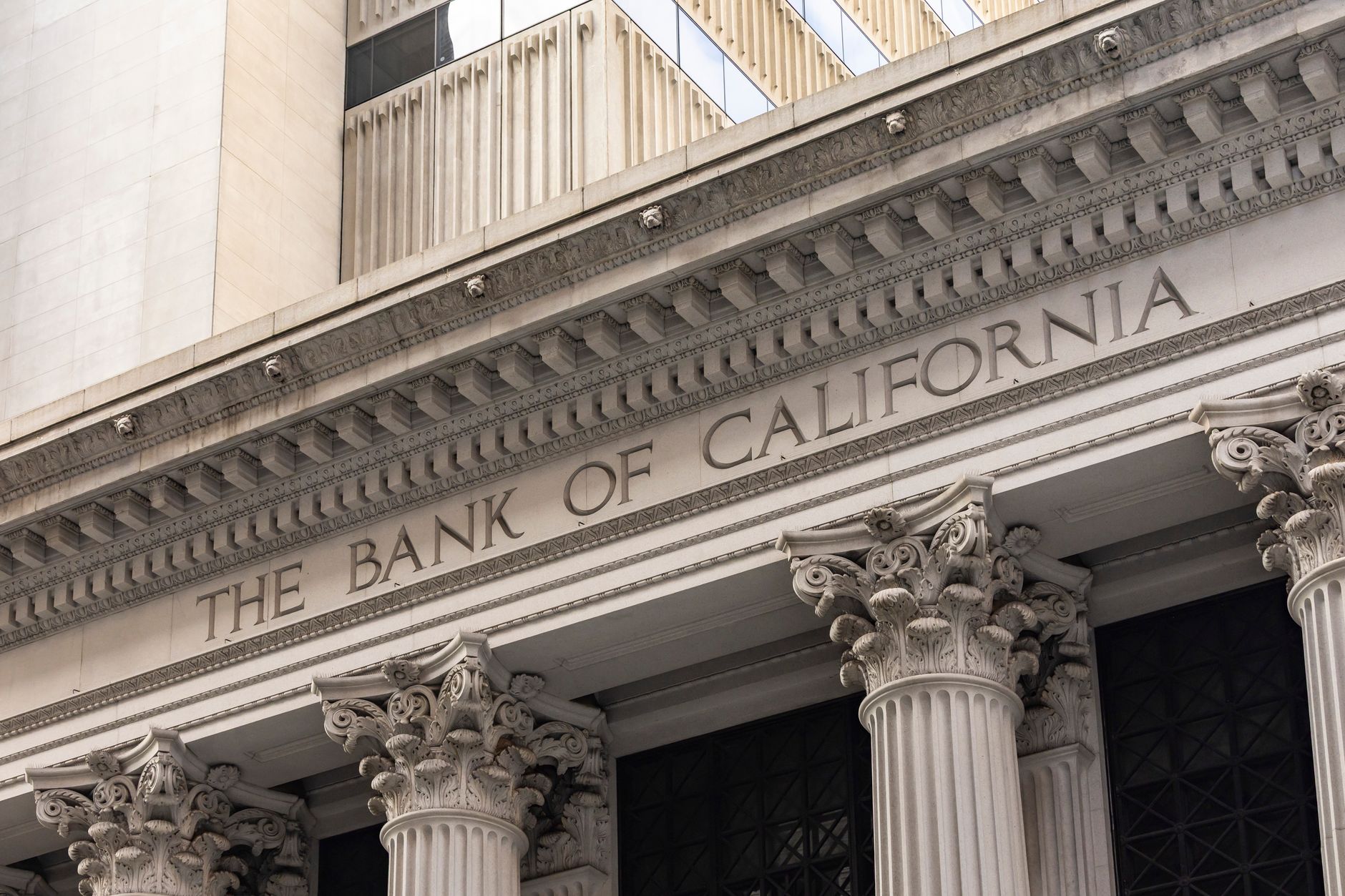
Bank tells taxman about your cash transactions, and this can have serious implications for your finances. Understanding these hidden communications is crucial for managing your personal finance effectively.
Understanding Bank Transactions
Understanding bank transactions is crucial for both individuals and businesses alike. Many people may not realize that banks have a responsibility to report certain cash transactions to the tax authorities. This often leads to the scenario where the bank tells taxman about significant cash deposits, especially those exceeding ₹10 lakh in a year.
When cash transactions reach this threshold, banks typically file reports to the government, which can trigger scrutiny from tax officials. Here are some key points to consider:
- Reporting Requirements: Banks are required to report suspicious activities and large cash transactions.
- Impact on Tax Returns: Unreported cash can lead to discrepancies in tax filings, resulting in penalties.
- Financial Transparency: These measures aim to promote transparency and combat tax evasion.
Understanding how your bank operates regarding cash transactions can help you stay compliant and avoid potential issues with the taxman.
How Banks Report to Tax Authorities
When it comes to financial transparency, banks play a crucial role in reporting to tax authorities. Understanding how banks report to the taxman can unveil hidden cash secrets that many individuals may not realize.
Banks are required to report certain transactions and account activities that exceed specific thresholds. This includes:
- Cash Deposits: Any cash deposit exceeding ₹10 lakh in a financial year is reported to the tax authorities.
- Suspicious Transactions: Banks must flag unusual transactions that may indicate tax evasion or money laundering.
- Interest Payments: Interest earned on accounts is also reported, which can affect tax liabilities.
Additionally, banks utilize various forms of technology to track large transactions and ensure compliance with regulations. This means that even if individuals believe their cash transactions remain discreet, the bank tells the taxman, creating a trail that can be followed.
Being aware of these reporting practices is essential for anyone managing significant cash flows, as it can impact their financial standing and tax obligations.
The Impact of ₹10 Lakh Cash
The revelation that banks report substantial cash transactions has raised concerns among taxpayers, particularly regarding the impact of ₹10 lakh cash deposits or withdrawals. When a bank tells the taxman about these large sums, individuals can find themselves under scrutiny, often with little warning.
For many, this threshold is a surprise. The implications are significant:
- Increased Scrutiny: Transactions exceeding ₹10 lakh can trigger investigations by the tax authorities, leading to unwanted attention.
- Potential Audits: Individuals may face audits if their cash activities appear inconsistent with reported income, raising red flags.
- Tax Liabilities: Unreported cash can lead to hefty tax liabilities and penalties if discovered by authorities.
Moreover, the lack of awareness about these regulations can lead to unintentional violations. Individuals are advised to maintain transparency in their financial dealings, as the consequences of hidden cash can be severe. When a bank tells the taxman, it is crucial to ensure that all financial records align with actual income.
Tips for Managing Your Cash Flow
Managing your cash flow effectively is crucial, especially in light of how your bank tells the taxman about your financial activities. Here are some tips to keep your finances in check:
- Monitor Your Spending: Regularly track your expenses to ensure you stay within your budget. Use budgeting apps or simple spreadsheets to categorize and control your spending.
- Establish an Emergency Fund: Aim to save at least three to six months’ worth of living expenses. This will help you cover unexpected costs without relying heavily on your cash reserves.
- Keep Receipts: Document all your purchases and transactions. This practice will not only help in budgeting but also support you in case of any tax inquiries.
- Consult a Financial Advisor: If you’re unsure about your cash management, seek professional advice. A financial advisor can provide insights tailored to your financial situation.
- Stay Informed: Keep abreast of tax regulations and banking policies. Understanding these can help you navigate your finances more effectively.
By implementing these strategies, you can better manage your cash flow and avoid unwanted scrutiny from tax authorities.
Common Myths About Bank Reporting
In the world of finance, misconceptions often cloud the realities of bank reporting. Many individuals believe that their cash transactions go unnoticed, but this is far from the truth. Here are some common myths about how banks communicate with tax authorities:
- Myth 1: Banks do not report small transactions.
- Fact: Even small transactions can raise red flags if they are frequent or unusual.
- Myth 2: Only large deposits are reported.
- Fact: Banks have to report cash deposits exceeding ₹10 lakh in a financial year, which means that consistent smaller deposits can also be flagged.
- Myth 3: Withdrawals are not monitored.
- Fact: Withdrawals, especially if they are large or frequent, can trigger a bank’s duty to inform the taxman.
- Myth 4: Cash transactions are private.
- Fact: Banks tell the taxman about significant cash movements, ensuring transparency in financial activities.
Understanding these myths is crucial for anyone looking to manage their finances wisely.
What You Need to Know About Tax Compliance
Tax compliance is a crucial aspect of financial management that many individuals overlook. Understanding the intricacies of tax regulations can help you avoid legal troubles and ensure that you are on the right side of the law. Here are some important points to consider:
- Know Your Limit: If your bank transactions exceed a certain threshold, such as ₹10 lakh in a year, your bank is required to report this to the tax authorities. This is where the concept of the bank tells taxman comes into play.
- Maintain Accurate Records: Keeping detailed records of your income and expenditures can simplify the tax filing process and help you substantiate claims in case of an audit.
- Seek Professional Advice: Consulting with a tax professional can provide clarity on complex tax regulations and help you develop a compliant financial strategy.
- Stay Informed: Tax laws are subject to change, so it’s essential to stay updated on new regulations that may affect your financial obligations.
By understanding these key points, you can better navigate your tax compliance responsibilities.
In an unprecedented move, the bank tells taxman about various accounts that have long been shrouded in secrecy. This revelation could lead to significant changes in how hidden assets are reported and taxed in the future.
Photo by Stephen Leonardi on Pexels
Where this came from
Related stories
- Nifty Sensex market trends: Cautious investors face uncertainties
- US Fed Rate Hike Impact: Clear Effects on Indian Stocks
- MCY Q2 2026 Earnings: Best Proven Growth Outlook Revealed
About the Author