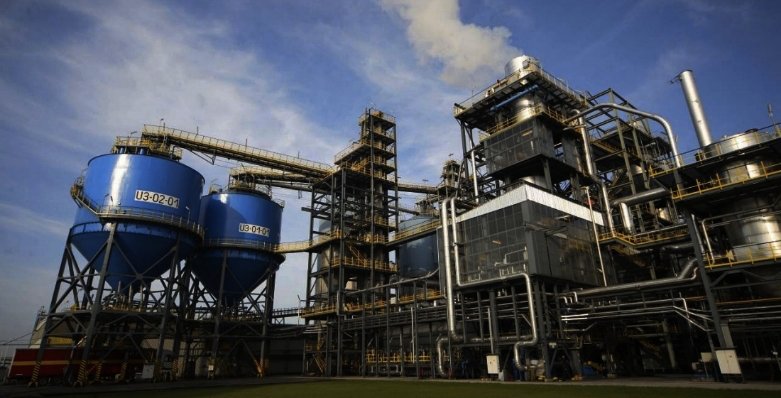
As industries move toward environmentally responsible production practices, materials that support sustainability are gaining significant importance. One such material is sustainable carbon black, which is increasingly being adopted across manufacturing sectors for its ability to reduce environmental impact while maintaining product performance. By integrating sustainable alternatives into production processes, companies can align with global environmental goals while ensuring efficiency, consistency, and long-term operational stability.
The growing emphasis on sustainable materials reflects a broader shift toward responsible resource management and cleaner industrial practices, as industries increasingly focus on reducing environmental impact while improving efficiency and long-term sustainability.
What is Sustainable Carbon Black?
Sustainable carbon black refers to carbon black produced using environmentally conscious methods, often through the recycling of end-of-life materials such as tyres. Unlike traditional carbon black, which relies heavily on fossil-based feedstocks, sustainable variants focus on reducing emissions, improving resource efficiency, and promoting reuse within industrial processes.
It is widely used across multiple industries, including:
- Tyre manufacturing
- Plastics and polymer production
- Coatings and inks
- Rubber and industrial components
Its ability to deliver consistent performance while supporting sustainability initiatives makes it a highly valuable material in modern manufacturing environments.
Environmental Benefits of Sustainable Carbon Black
One of the most important advantages of sustainable carbon black is its contribution to environmental conservation. Incorporating recycled materials into production, it helps reduce the overall environmental footprint of industrial processes.
Key environmental benefits include:
- Lower greenhouse gas emissions compared to conventional production
- Reduced dependence on non-renewable resources
- Efficient management of industrial and post-consumer waste
- Support for environmentally responsible manufacturing practices
These benefits make it an essential component for industries aiming to meet sustainability targets.
Role in Circular Economy
Sustainable carbon black plays a vital role in enabling circular economy models by transforming waste into valuable industrial inputs. Instead of discarding used materials, such as tyres, they are processed and reintroduced into the production cycle.
This approach offers multiple advantages:
- Reduces landfill waste
- Maximizes resource utilization
- Creates a continuous material lifecycle
- Supports sustainable supply chains
By contributing to circular systems, sustainable carbon black helps industries reduce waste while improving efficiency.
Economic Advantages for Manufacturers
Beyond environmental impact, sustainable carbon black also offers strong economic benefits. Manufacturers can optimize costs and improve operational efficiency by adopting recycled materials.
Some key economic advantages include:
- Reduced raw material costs through recycled inputs
- Lower waste management and disposal expenses
- Improved long-term cost efficiency
- Better alignment with sustainability-driven market demands
These financial benefits make sustainable carbon black an attractive option for forward-thinking manufacturers.
Performance and Quality Considerations
Sustainable carbon black is engineered to meet strict industry standards, ensuring that performance is not compromised. It provides reliable properties required for various industrial applications.
It offers:
- Strong reinforcement properties in rubber products
- High durability and resistance to wear
- Consistent quality across production batches
- Compatibility with existing manufacturing processes
This ensures that manufacturers can adopt sustainable solutions without affecting product quality or operational performance.
Market Trends and Industry Adoption
The demand for sustainable materials is steadily increasing across industries as companies continue to prioritize environmentally responsible production practices. Businesses are actively investing in technologies that support cleaner and more efficient manufacturing methods.
During this transition, manufacturers often evaluate factors such as tyre recycling prices, as they directly influence the cost, availability, and overall feasibility of recycled raw materials used in producing sustainable carbon black.
This growing focus on sustainability is encouraging innovation, strengthening supply chains, and driving the wider adoption of eco-friendly materials across various industrial sectors.
Applications Across Industries
Sustainable carbon black is highly versatile and is used across a broad range of industries due to its strong adaptability, consistent performance, and wide functional applications.
Major applications include:
- Automotive sector for tyre and component manufacturing
- Packaging industry for plastics and films
- Construction materials and coatings
- Printing inks and industrial finishes
Its wide applicability and reliable performance make it a key material in modern industrial ecosystems and evolving manufacturing processes.
Comparison: Conventional vs Sustainable Carbon Black
The key differences between conventional and sustainable carbon black can be better understood through the following points:
- Source of raw materials: Conventional carbon black is derived from fossil fuels, whereas sustainable carbon black uses recycled materials.
- Environmental impact: Traditional production methods generate higher emissions, while sustainable alternatives significantly reduce environmental impact.
- Resource efficiency: Sustainable carbon black improves efficiency by utilizing waste materials, unlike conventional processes.
- Waste utilization: Conventional methods have a limited recycling contribution, while sustainable carbon black supports circular economy practices.
- Sustainability alignment: Sustainable carbon black better aligns with modern environmental regulations and long-term sustainability goals.
Technological Advancements Supporting Sustainability
Advancements in technology have played a major role in improving the production of sustainable carbon black. Modern processes are designed to enhance efficiency while minimizing environmental impact.
Technology enables:
- Advanced recycling and recovery methods
- Improved quality control during production
- Reduced energy consumption
- Enhanced scalability for industrial use
These developments are helping industries adopt sustainable practices more effectively.
Long-Term Value for Manufacturing Industries
Sustainable carbon black offers long-term value by supporting both operational efficiency and environmental responsibility. As industries continue to move toward greener and more sustainable practices, the importance of such materials is steadily increasing across manufacturing sectors.
It helps businesses:
- Improve overall sustainability performance
- Meet evolving regulatory compliance requirements
- Strengthen brand reputation in competitive markets
- Support long-term business growth and resilience
This makes it a strategic and forward-looking material for future-focused manufacturing.
Conclusion
Sustainable carbon black is playing a crucial role in transforming manufacturing by balancing performance, cost efficiency, and environmental responsibility. Its ability to support circular economy practices and reduce emissions makes it an essential material for modern industries.
If you are looking for reliable and advanced sustainable material solutions, Companies like Birla Carbon are at the forefront of developing advanced and sustainable solutions for the industry. With a strong focus on innovation and responsible production, they contribute significantly to the evolving carbon black market. Their commitment to sustainability, quality, and technological advancement supports industries in achieving long-term environmental and operational success.
About the Author
