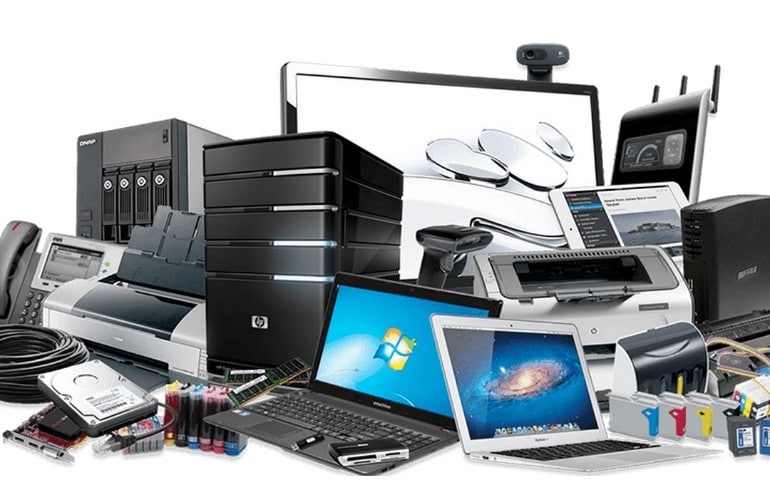
Organizations accumulate outdated hardware faster than they realize, especially as upgrade cycles shorten and digital demands evolve. Systems that once supported daily operations often end up stored in back rooms or forgotten warehouses, carrying both data risks and environmental impact. This growing pile of redundant devices calls for structured handling, not casual discarding.
A well-planned approach to old IT equipment disposal ensures that assets are managed securely, sustainably, and in compliance with regulatory expectations. It is not just about clearing space but about protecting sensitive information, recovering value where possible, and reducing the burden on landfills. Businesses that understand this shift treat disposal as part of lifecycle management rather than an afterthought.
The Growing Challenge of Obsolete IT Assets
Legacy hardware continues to accumulate across industries, from corporate offices to data centers and educational institutions. Devices such as desktops, servers, networking equipment, and storage units become outdated due to performance limitations or compatibility issues. This accumulation creates logistical challenges and potential compliance concerns, making it essential for organizations to recycle old IT equipment through structured and compliant channels.
Ignoring unused IT assets can result in data breaches, environmental harm, and financial inefficiencies. Equipment left unmanaged may still contain confidential information, while improper disposal methods contribute to electronic waste problems. Structured processes allow organizations to manage this transition responsibly.
Environmental Responsibility and Compliance:
Regulatory Expectations and Environmental Standards
Electronic waste contains hazardous materials that can harm ecosystems if handled improperly. Governments and environmental bodies enforce regulations to ensure safe disposal practices, making compliance essential for businesses managing large volumes of IT assets.
Reducing Carbon Footprint Through Recycling
Recycling IT equipment significantly reduces the environmental footprint associated with manufacturing new components. Recovering metals, plastics, and other materials limits the need for raw resource extraction and lowers energy consumption.
Safe Handling of Hazardous Components
Certain IT components, including batteries and circuit boards, contain toxic substances that require specialized handling. Improper disposal can lead to contamination of soil and water systems.
Promoting Circular Economy Practices
Recycling and refurbishing IT assets contribute to a circular economy where resources are reused rather than discarded. Devices that are still functional can be refurbished and reintroduced into the market.
Key Steps in Responsible IT Equipment Disposal
A structured disposal process ensures efficiency, compliance, and security at every stage. Organizations benefit from clear workflows that manage assets from collection to final processing.
- Asset Inventory Assessment
Conducting a detailed inventory helps identify equipment ready for disposal. This step ensures accurate tracking and prevents loss or mismanagement of assets. - Data Sanitization and Certification
Secure data erasure or destruction must be documented with certification. This provides proof of compliance and protects against potential liabilities. - Recycling and Material Recovery
Extracting reusable materials reduces environmental impact while supporting sustainable practices. This stage ensures that valuable resources are not wasted.
Benefits of Partnering with Professional Recycling Services
Working with specialized IT recycling providers offers operational and strategic advantages. These providers bring expertise, infrastructure, and compliance knowledge that internal teams may lack.
Professional recyclers handle logistics, documentation, and processing, allowing organizations to focus on core operations. Their structured systems ensure transparency and accountability throughout the disposal process.
Certified Processes and Documentation
Reliable recycling partners provide detailed documentation for every stage, including asset tracking and data destruction certificates. This level of transparency supports audits and regulatory compliance. Such documentation also enhances trust with stakeholders by demonstrating responsible asset management practices.
Efficient Bulk Handling Capabilities
Large organizations often deal with significant volumes of obsolete equipment. Professional services are equipped to manage bulk collections and processing efficiently. This capability reduces downtime and ensures timely disposal without disrupting business operations.
Advanced Recycling Infrastructure
Modern recycling facilities utilize advanced technologies to maximize material recovery while minimizing environmental impact. These systems ensure that each component is processed effectively. Access to such infrastructure allows organizations to achieve higher sustainability outcomes compared to basic disposal methods.
Risk Mitigation and Compliance Assurance
Partnering with experts reduces risks associated with improper disposal, including legal penalties and reputational damage. Their adherence to regulatory standards ensures compliance across all stages. This proactive approach safeguards organizations from potential liabilities while reinforcing responsible practices.
Regional Considerations for IT Disposal in Dubai
Dubai’s regulatory environment emphasizes structured e-waste handling, requiring businesses to follow approved disposal and recycling practices. The city’s established infrastructure, including certified recyclers and collection systems, supports efficient processing of outdated IT assets. This makes old IT equipment disposal in Dubai a streamlined process for organizations that prioritize compliance and sustainability.
Compliance with Local Environmental Policies
Businesses operating in the UAE must adhere to local environmental regulations governing electronic waste management. These policies emphasize safe disposal and recycling practices. Organizations that follow these guidelines contribute to national sustainability initiatives while avoiding regulatory complications.
Infrastructure Supporting E-Waste Management
Dubai has developed robust infrastructure to support responsible e-waste handling, including specialized recycling facilities and collection systems. This makes it easier for businesses to manage obsolete equipment effectively. Leveraging these resources ensures efficient processing and aligns with regional sustainability goals.
Importance of Certified Recycling Providers
Choosing certified service providers ensures adherence to both local and international standards. These providers offer secure handling, proper documentation, and environmentally responsible processing. Their expertise simplifies compliance while enhancing operational efficiency.
Growing Demand for Sustainable Practices
Businesses in Dubai increasingly prioritize sustainability as part of their corporate strategies. Responsible IT disposal plays a key role in achieving these objectives. This shift reflects a broader commitment to environmental stewardship and responsible resource management.
Final Thoughts
What happens when outdated technology becomes a liability rather than an asset, and how can organizations turn that challenge into an opportunity? Businesses seeking structured solutions for recycle old IT equipment in Dubai often find that working with experienced providers simplifies the entire process while ensuring compliance and sustainability. Planet Green Recycling (L.L.C.) offers secure data destruction, certified recycling processes, and efficient handling of IT assets, helping organizations manage their technology responsibly without operational disruption.
About the Author